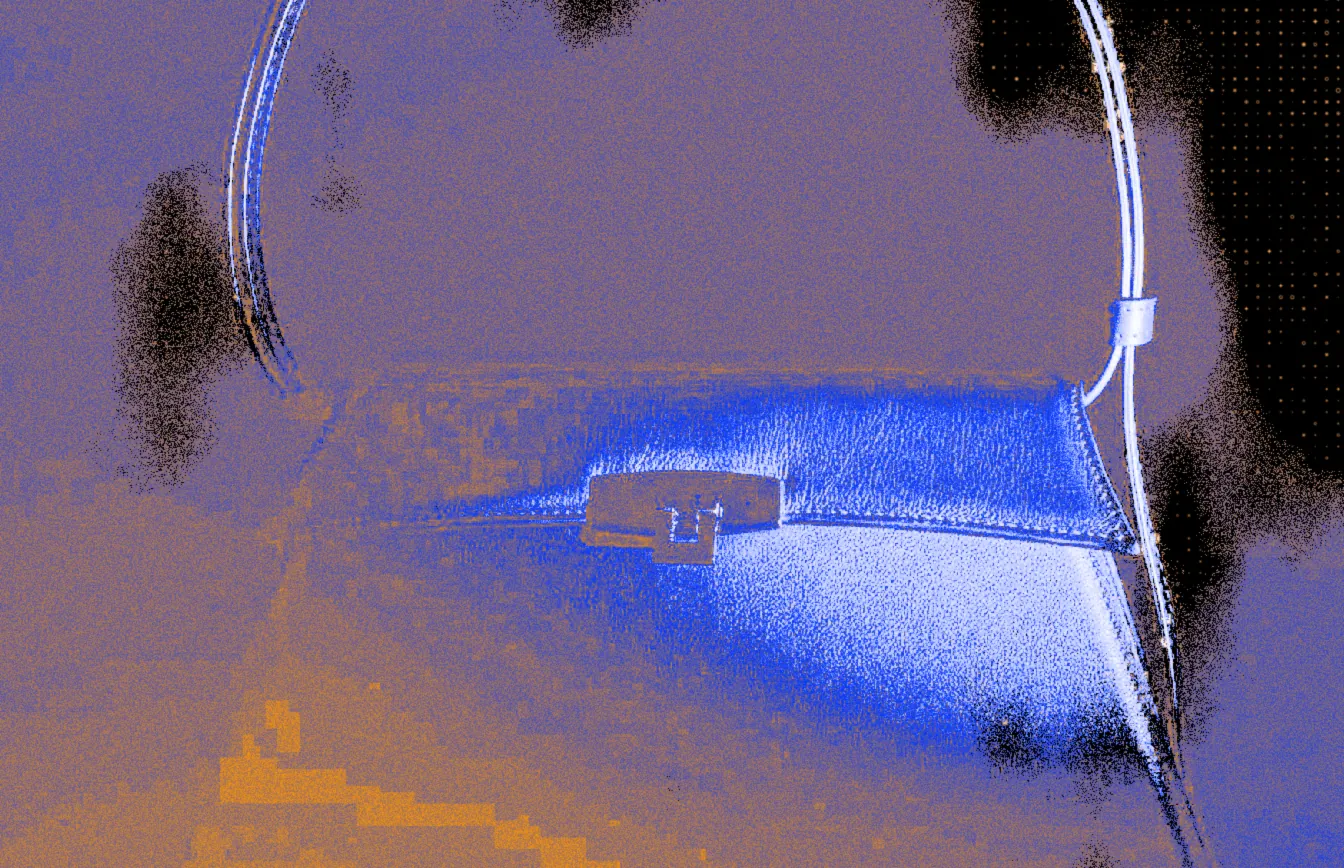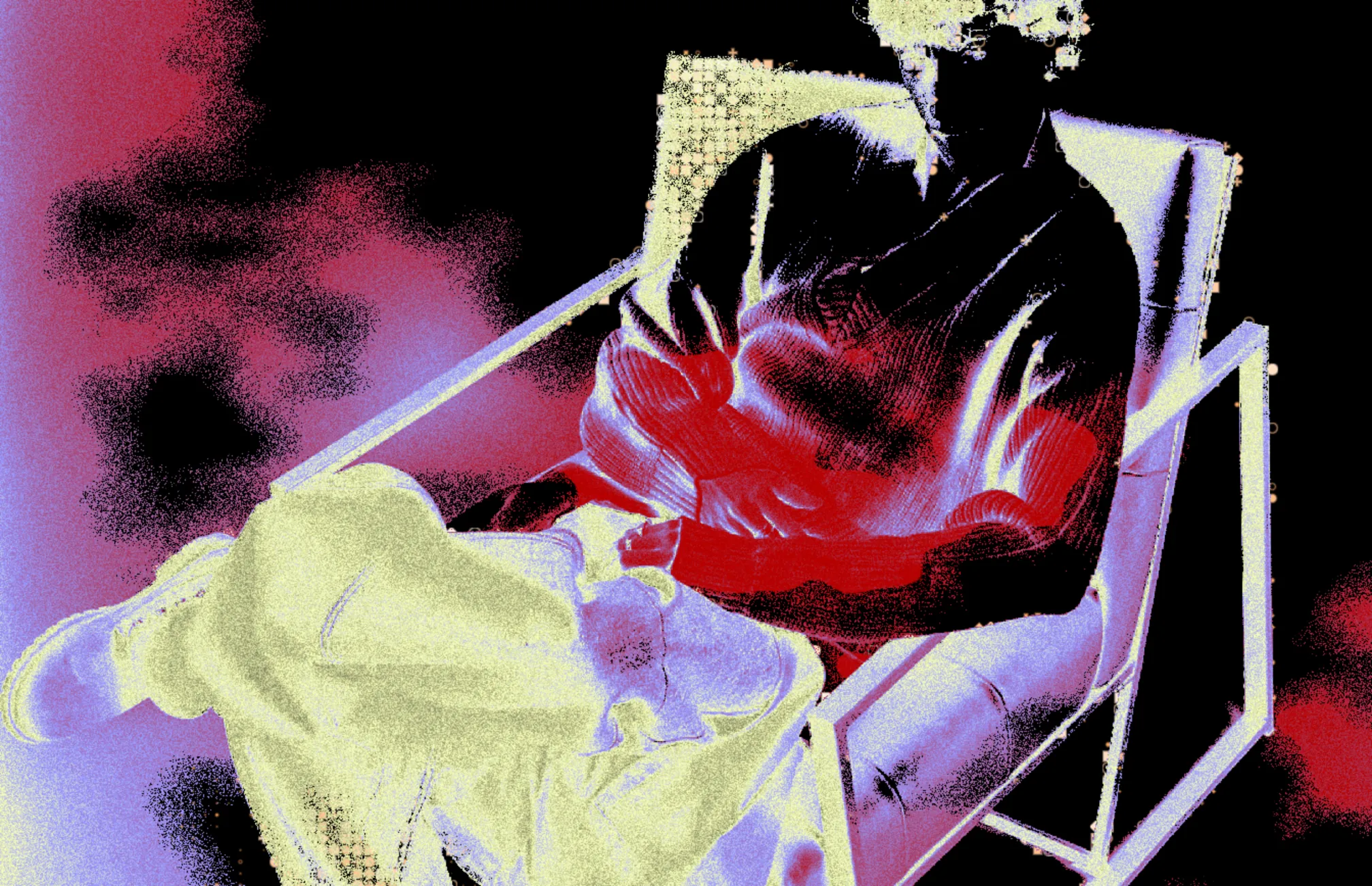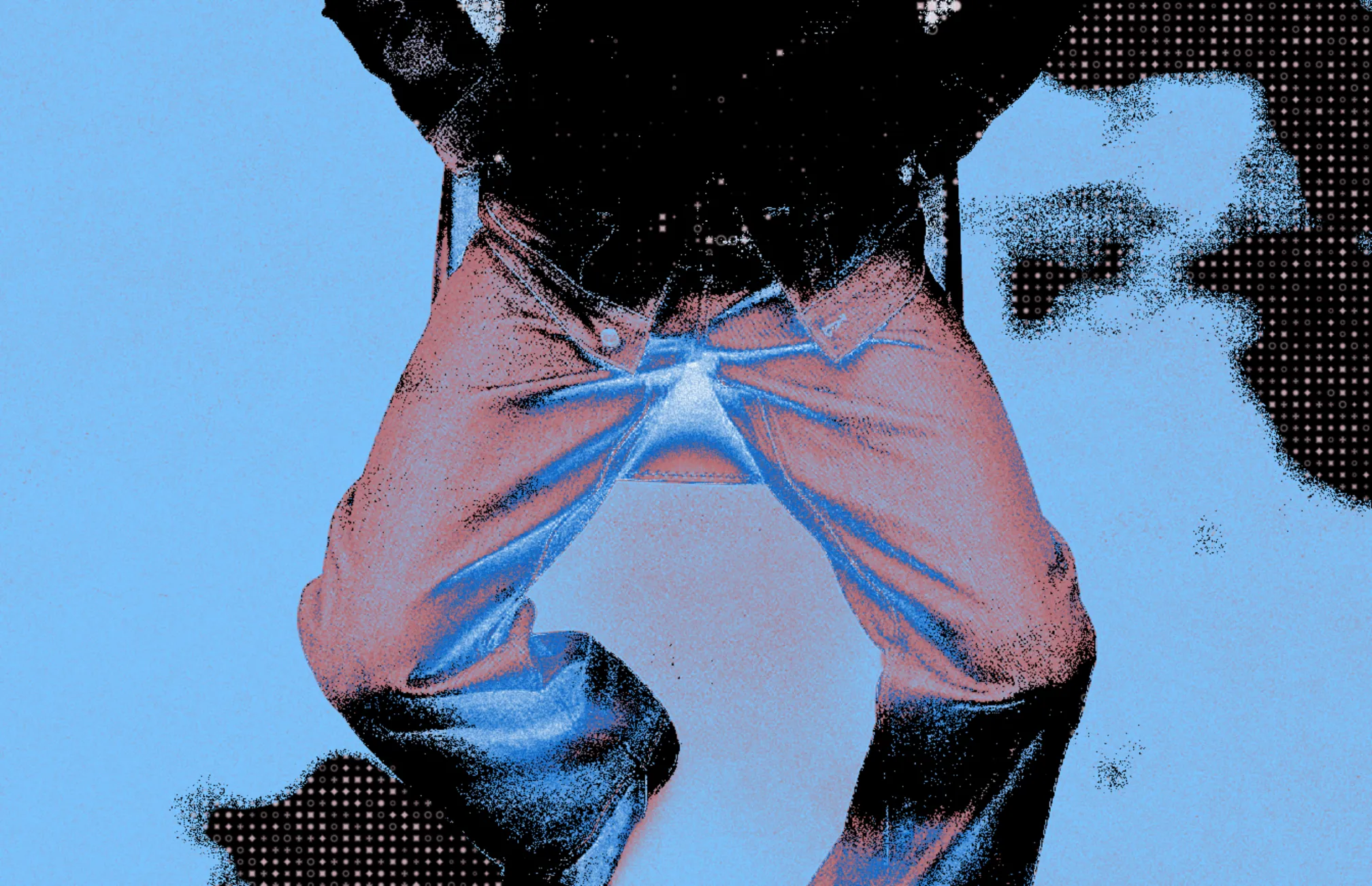
Generating eCommerce Images with Artificial Intelligence
AI as an Economic Lever in Fashion
In the fashion industry, photographic production is one of the most significant cost items within marketing and e-commerce management. Shooting, garment logistics, models, styling, photographer, post-production: every collection involves substantial investment, coordination time and no small amount of operational complexity.
Artificial Intelligence introduces a paradigm shift.
It makes it possible to generate editorial settings, multiply creative variants for advertising and test visual concepts in drastically reduced timeframes. All this with a far smaller economic impact than traditional production.
The Risk of Looking Fake
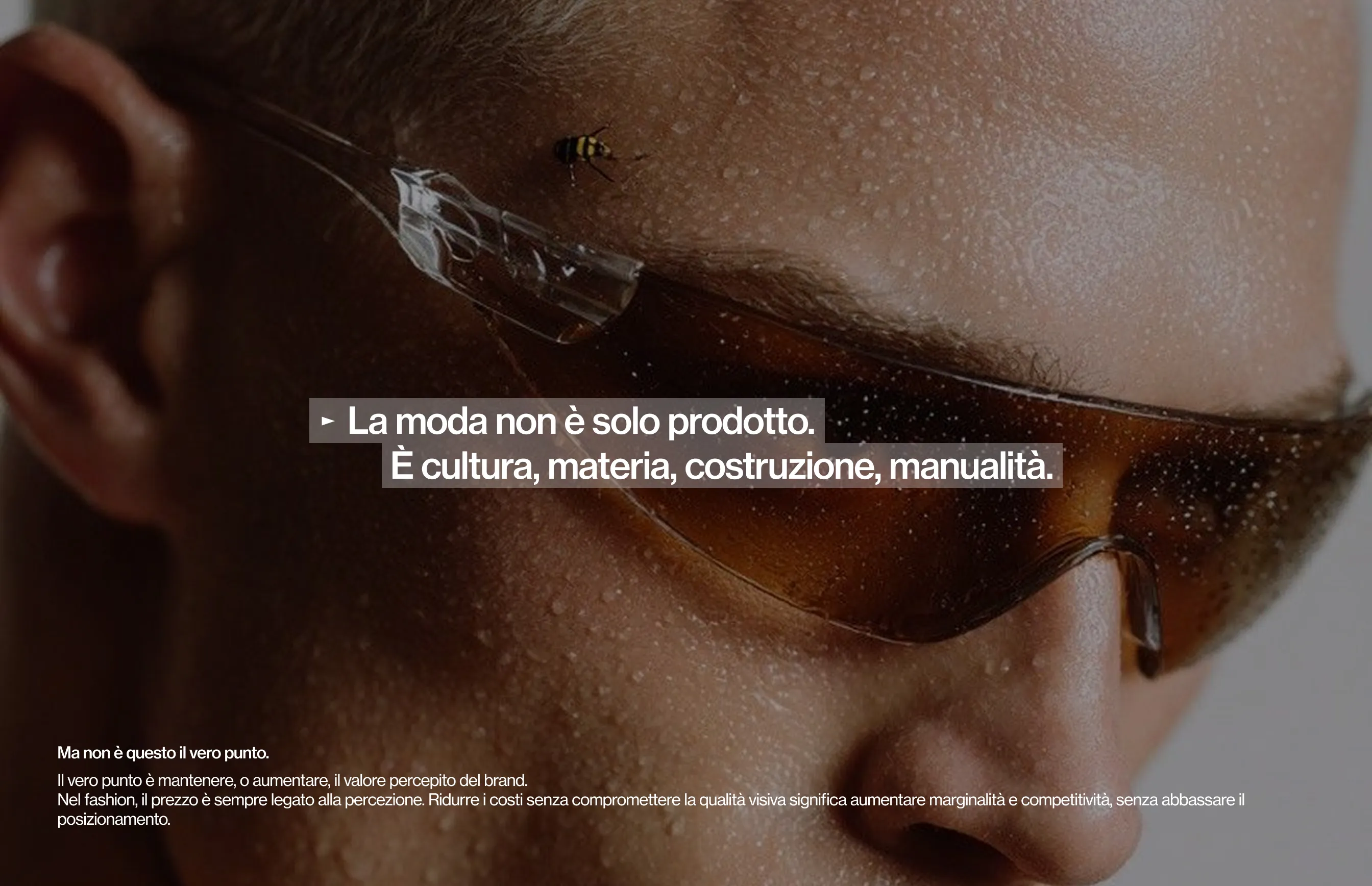
When AI is introduced into image generation, the first risk is a loss of authenticity. An overly artificial image can convey inconsistency, plastic-looking surfaces, unconvincing proportions or overly staged settings.
In e-commerce, this is a direct risk to conversion.
The user needs to perceive truth in the product. If the image communicates artificiality, it can raise doubts about the garment's real quality, the coherence of the price and the brand's reliability. For this reason, AI must not replace the real dimension of the product. It must support it. It must amplify emotion without compromising trust.
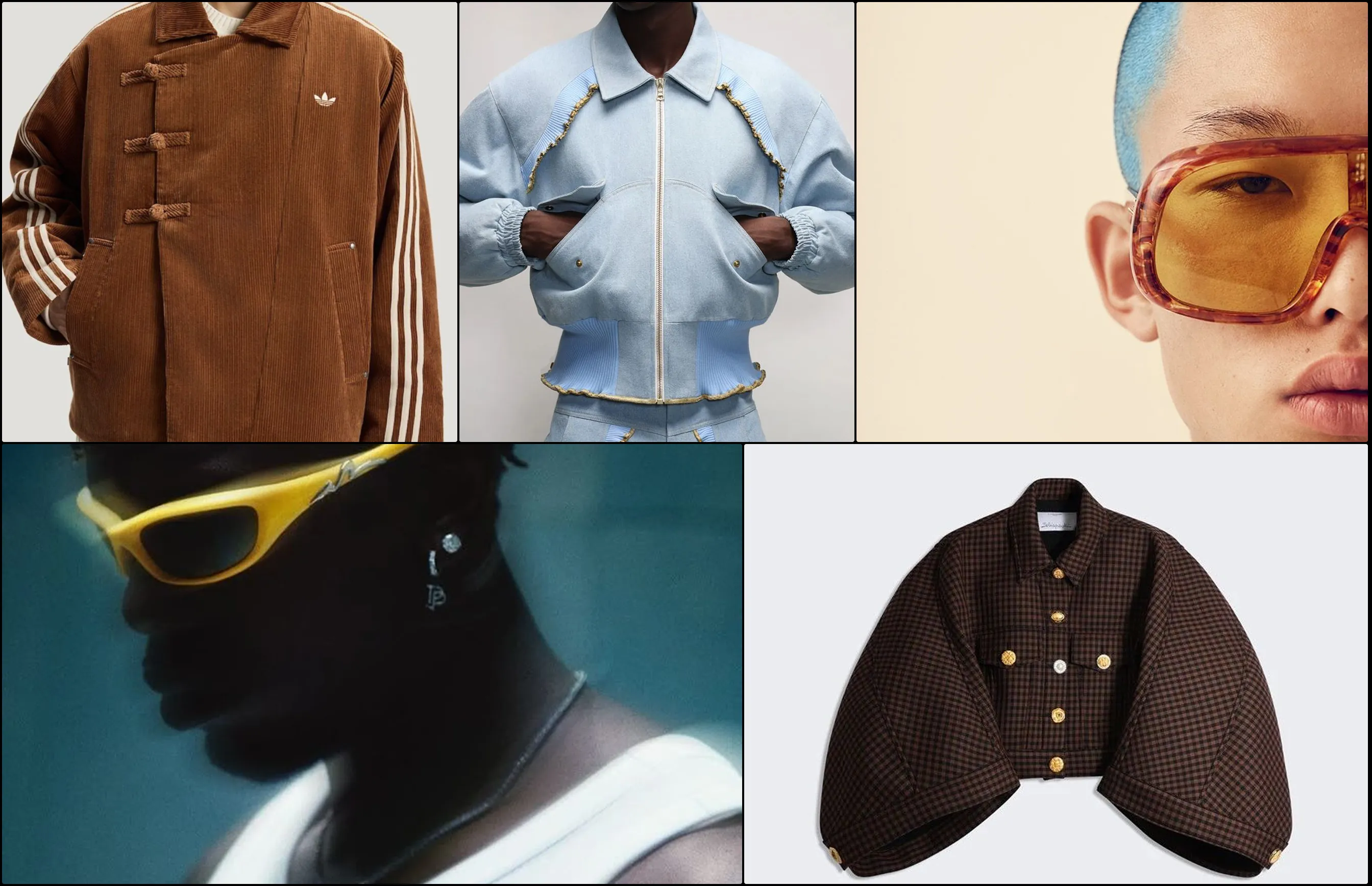
Creative Direction: Intelligence Remains Human
One of the most common mistakes is letting generation happen without a clear direction. The result may be aesthetically interesting but stylistically inconsistent: outfits out of step with positioning, settings that don't speak to the target audience, combinations that don't respect the brand's DNA.
In the world of fashion, every detail communicates.
Anyone using AI must have:
- Deep knowledge of the brand
- Stylistic sensitivity
- Understanding of the target audience
- The ability to build coherent storytelling
Creative direction remains a human responsibility. AI executes. Vision guides.
Without this direction, the risk isn't just aesthetic. It's strategic.
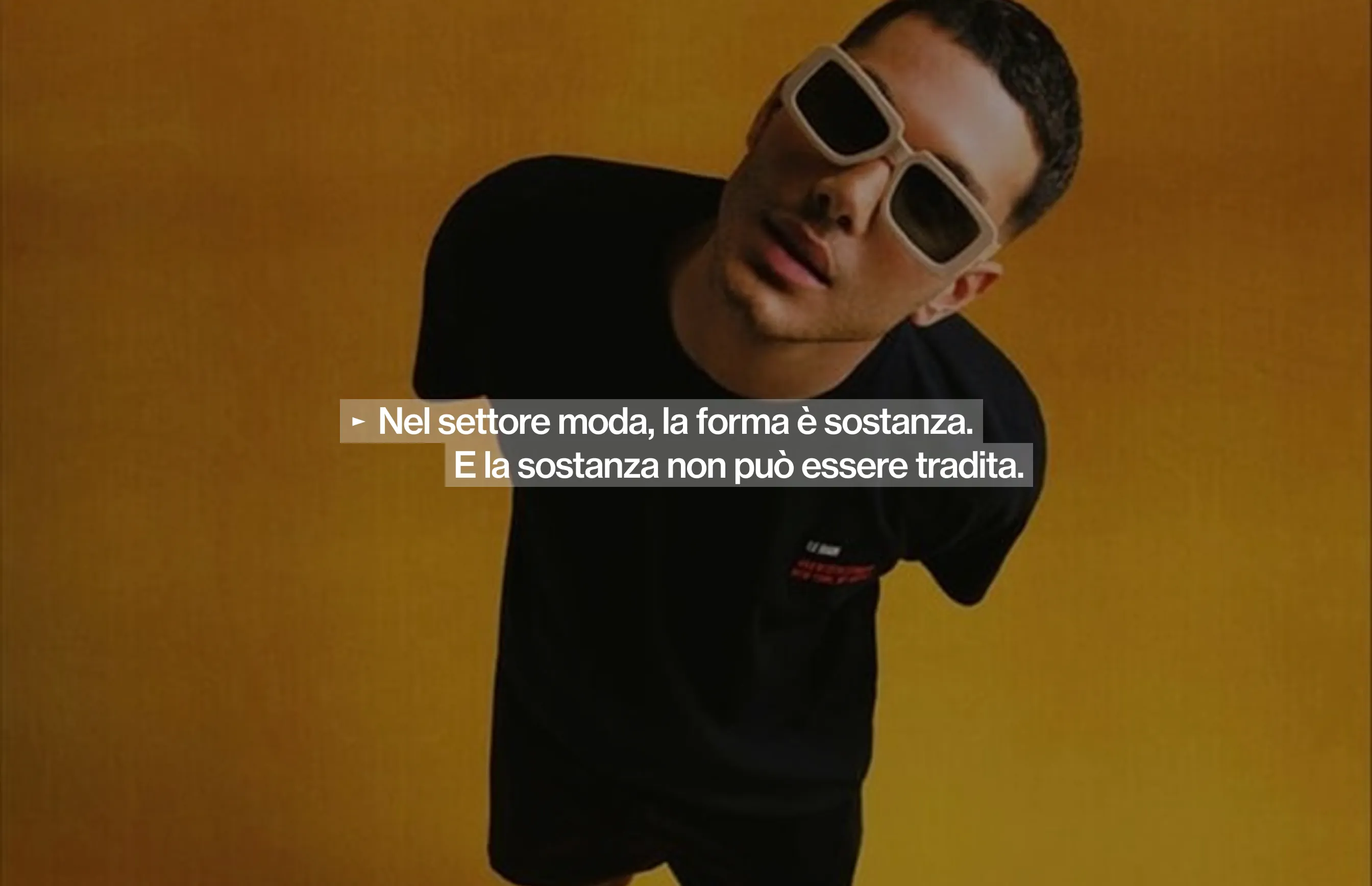
Fit: the Most Delicate Point
If styling matters, fit is crucial. An oversized garment must keep its oversized volumes. A slim-fit garment must respect its proportions. A structured fabric must visually behave as such. Altering these elements in an AI image means altering the perception of the product.
The consequences can be tangible:
- Increased returns
- Post-purchase dissatisfaction
- Loss of trust in the brand
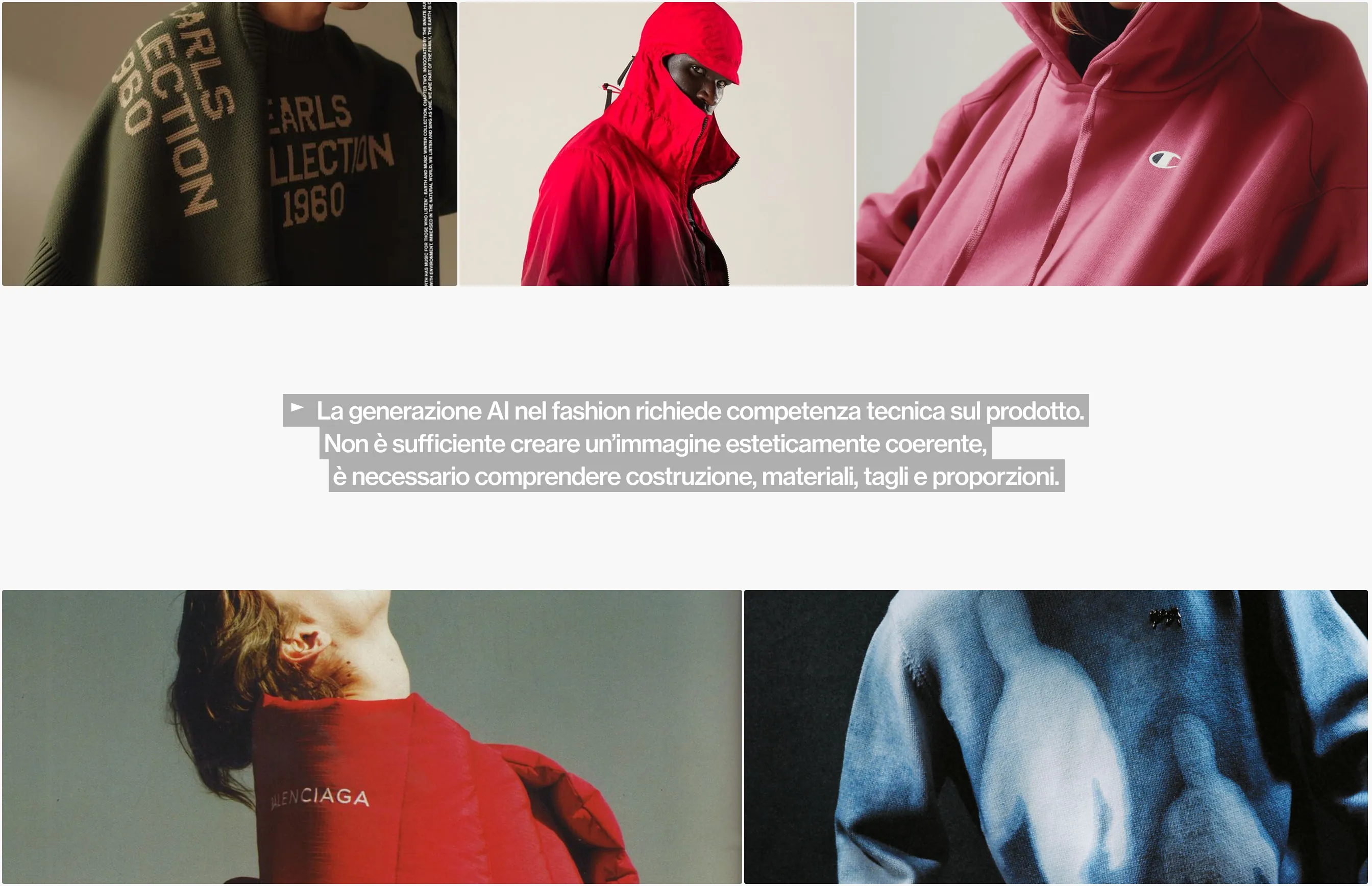
The Hybrid Method for eCommerce
To date, the most effective solution is a hybrid approach. The first image can be generated with AI, with a more editorial and emotional feel. It must capture attention, tell a context, build imagery. However, it must keep a clean layout, consistent with the PLP structure, and not weigh down navigation.
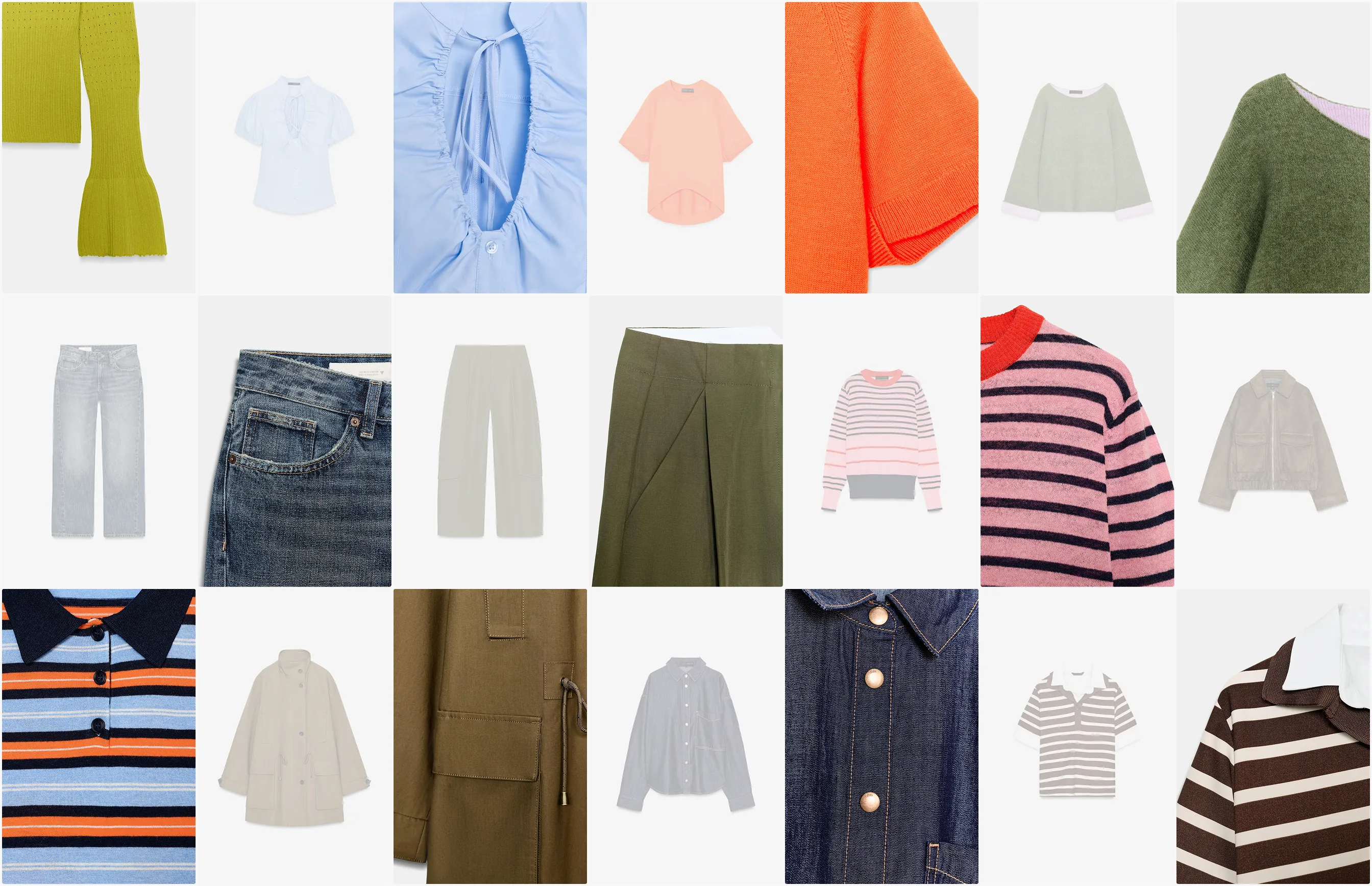
Right after that, still-life images come into play.
Detailed, precise interior shots with authentic textures are essential to build trust and transparency. They let the user observe materials, stitching and construction details. They are the component that supports conversion.
AI & Advertising: the Advantage on Meta
If in e-commerce AI needs to be carefully calibrated, in the advertising world it can become a performance multiplier. On Meta, the ability to stop the scroll is decisive. AI-generated editorial images make it possible to create distinctive scenarios, stand out visually from competitors and quickly test many creative variants.
The most effective methodology involves creating square versions dedicated exclusively to ads, placed in a separate custom feed. This way:
- The site keeps its consistency and clean look
- Campaigns can push harder on visual impact
- Testing happens without compromising the ecommerce experience
In this context, AI becomes a performance lever. Not just an aesthetic one.
Legal Aspects and Compliance
The use of AI images also calls for attention from a regulatory standpoint. It's essential to verify the commercial rights of the tools used, make sure the generated images don't infringe copyright, trademarks or third-party rights, and above all avoid misleading representations of the product.
An AI image cannot alter the real characteristics of a garment, promise something that doesn't exist or generate expectations inconsistent with the product actually delivered.
In some contexts, it may also be worth considering a level of transparency about the use of digitally generated images.
Compliance isn't a constraint. It's an element of brand protection.
A Vertical Vision: eCommerce, Mobile, Marketing
The real advantage of AI isn't technical. It's systemic. It only works when integrated into a 360° vision that includes:
- eCommerce UX
- Mobile-First Design
- Structured Advertising Feeds
- Continuous testing logic
- Performance analysis
Economic savings become a strategic lever: greater margins, more marketing investment, more capacity for testing and optimisation.
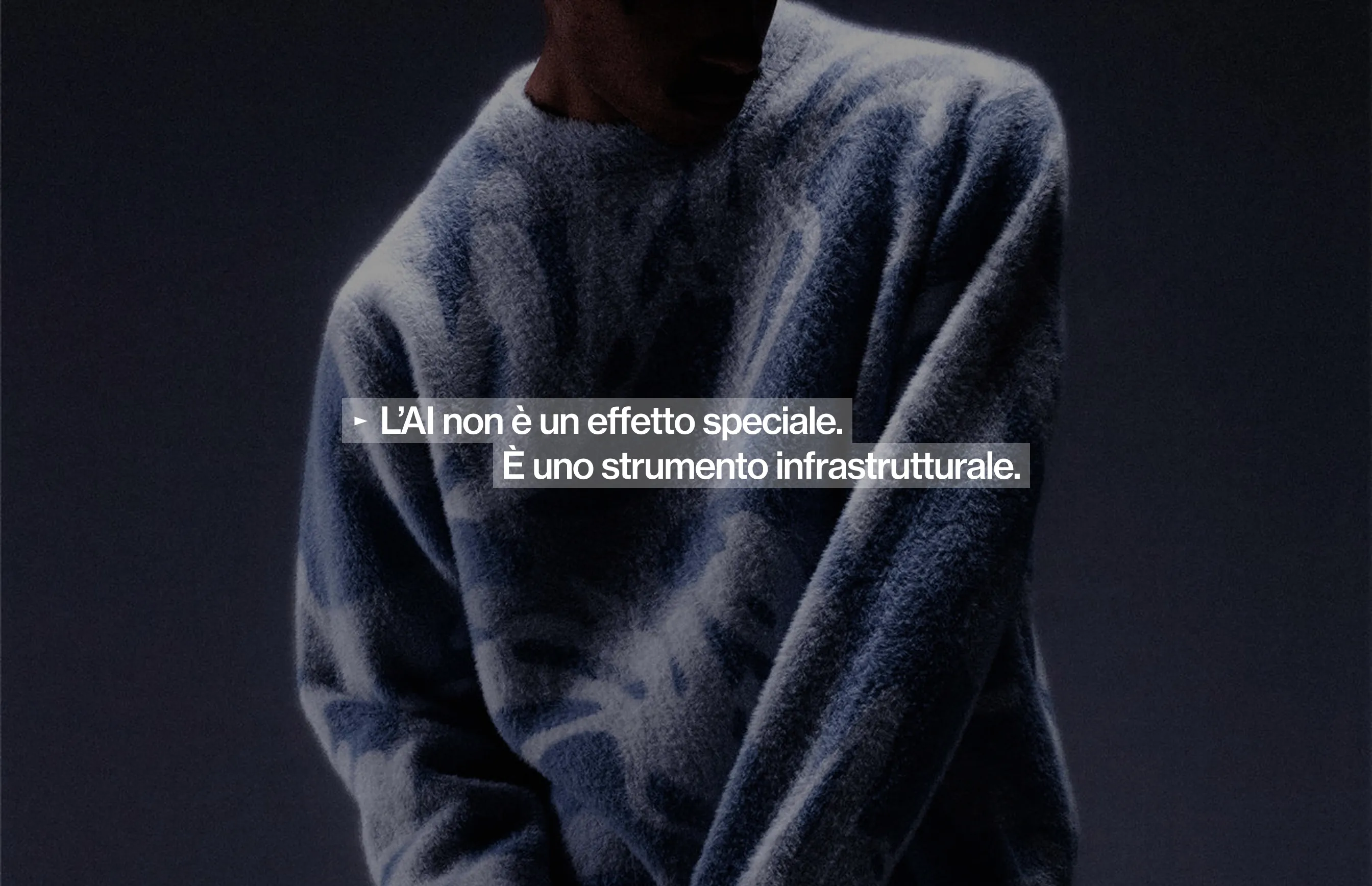
AI isn't a special effect. It's an infrastructural tool.
Whoever uses it without vision risks damaging perception. Whoever integrates it into the system builds competitive advantage.
The Made in Evolve Approach
At this stage, we are experimenting in a structured and vertical way. We have developed proprietary workflows, internal tools and a team dedicated to AI generation, integrated directly with e-commerce and advertising flows. Every test is measured in terms of perception, performance and economic impact.
We're convinced that AI will profoundly revolutionise:
- Content production
- Digital branding
- Go-to-market speed
- The economic model of shooting
But only for those who know how to use it with skill and vision.
Our goal isn't to replace reality. It's to enhance it.
- Protect brand value
- Improve performance
- Reduce costs
- Increase speed