
The Real Problem with Black Friday? None.
The fear that Black Friday erodes margins is widespread, but the data proves otherwise. With the right strategies, this event can boost sales and profits in the fashion sector without eating into margins. Here are 7 key pieces of evidence and strategies that support this view:
Sky-High Advertising ROI
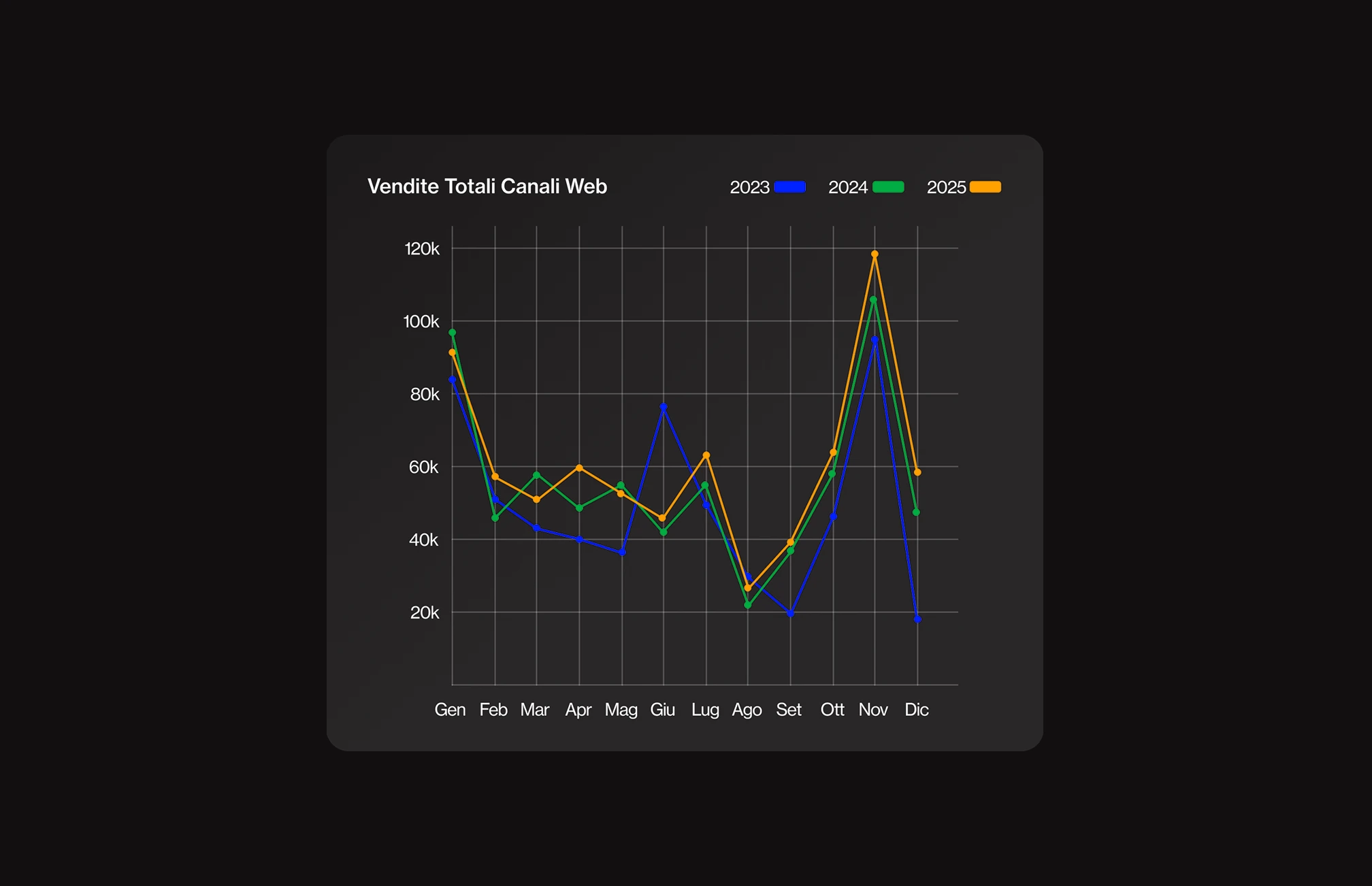
During Black Friday, return on advertising spend (ROAS) can reach exceptional levels. A good average figure sits around 700% (7:1), but in the best cases — as we've seen with some of our partners — performance has peaked at 3000% (30:1).
This means that €1,000 invested in advertising can generate up to €30,000 in revenue, making the Black Friday period one of the most profitable times of the year. Such a marked increase in ROAS more than compensates for any discounts applied, preserving margins and improving the campaign's overall profitability.
Moderate Discounts, Protected Margins
You don't need extreme markdowns to achieve great results. In fashion, the average discount applied during Black Friday was around 18% in 2024 — a moderate but effective level that keeps margins high without excessive price concessions. More sophisticated retailers have learned that selective discounts by category or brand work better than extending promotions across the entire catalogue.
In many cases, discounted brands generate traffic and sales for full-price ones too, acting as a “gateway” into the rest of the catalogue. This cross-selling logic works particularly well in fashion: a shopper drawn in by a discounted product often ends up buying full-price items as well.
This approach makes it possible to balance volume and profitability, limiting the impact on average discounts while maximising the pull effect of the strongest brands.

Rising Conversions and Basket Sizes
During Black Friday, consumers are far more inclined to buy than usual. In 2023, the average online conversion rate reached 6.5% on desktop (compared to around 2% in normal periods). What's more, during Black Friday shoppers buy more items per order: an average of 3.6 products per desktop transaction (roughly double the usual figure).
This translates into richer average baskets and a higher average order value, which help maintain margins thanks to economies of scale (for example, consolidated shipping and fixed costs spread across more products).
Black Week: Longer Promotions = More Revenue
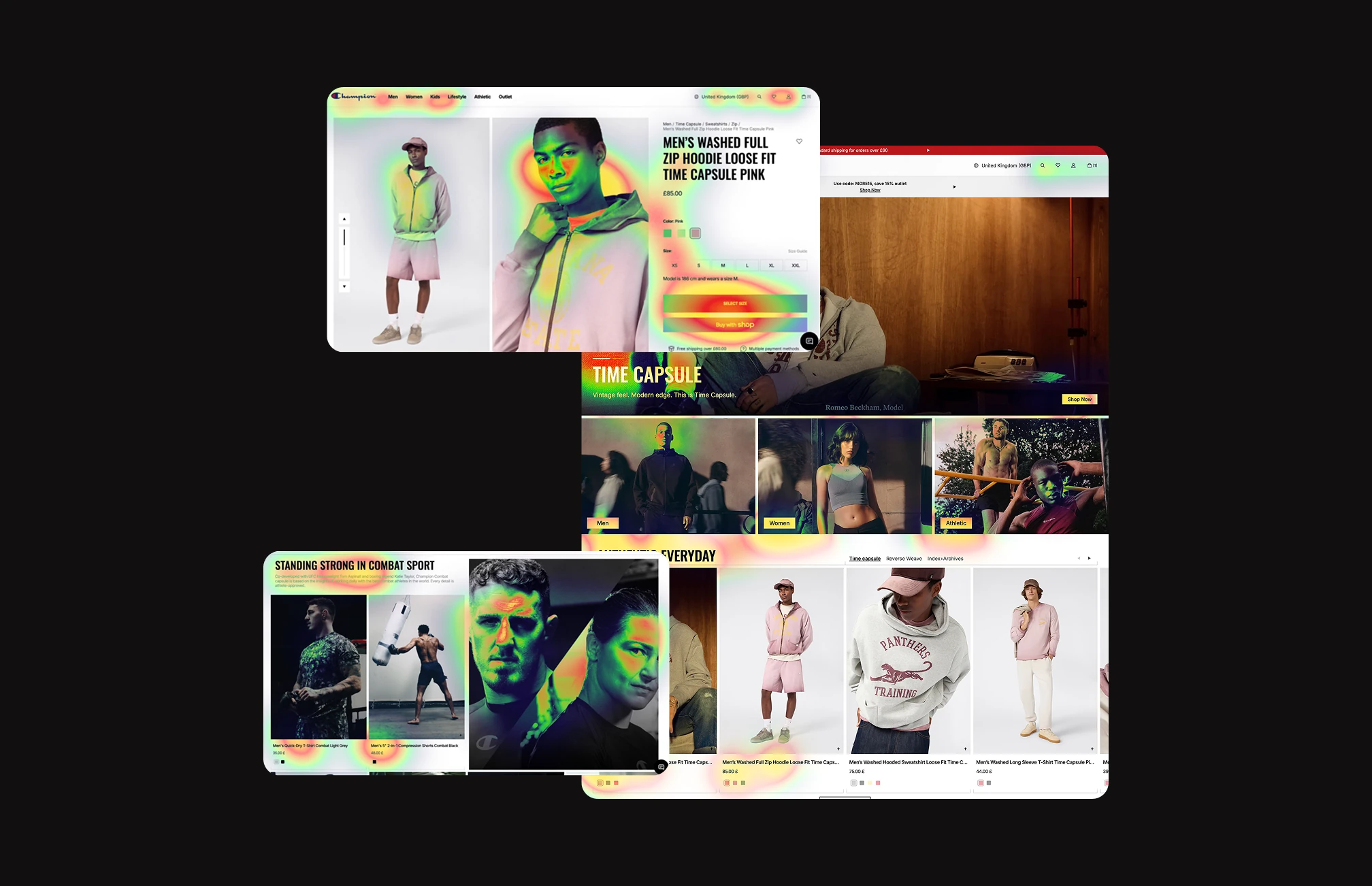
Extending offers beyond a single Friday (for example, across an entire Black Week) helps maximise revenue and ROI. A Deloitte study shows that 80% of consumers plan purchases during Black Friday/Cyber Monday week, spending most of their budget on those days.
Longer promotional campaigns reach a wider audience and allow marketing campaigns to be optimised, creating a flywheel effect on sales.
Many European fashion retailers adopt this strategy: spreading the promotion over several days keeps a sense of urgency alive (perhaps with daily flash deals) without having to concentrate steep discounts into a single day, thereby maximising total sales.

Creative Marketing That Enhances the Brand
You don't need to “sell yourself short” to take part in Black Friday. Today, many fashion brands choose a subtler approach that stays true to their identity, avoiding the classic “black banner” with shouty copy.
For example, communication can be limited to newsletter subscribers, creating a sense of exclusivity and reward for the community. Or private sales can be activated, reserved for regular customers or registered users, reinforcing a sense of belonging while preserving brand value.
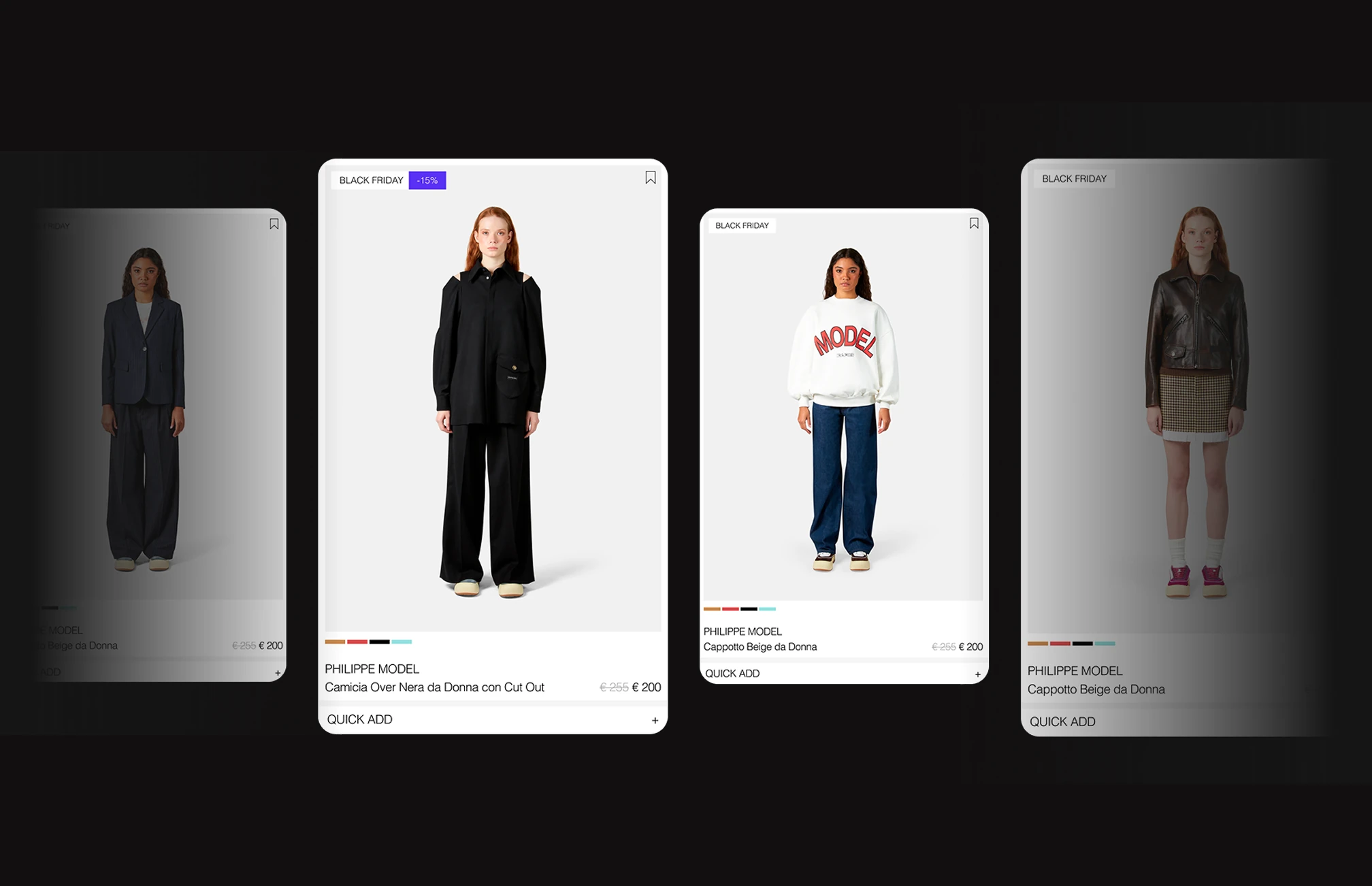
Another effective strategy is to promote products without over-emphasising the discount, focusing instead on storytelling, curated selection or limited availability. Some brands, such as COS and Sandro Paris, use a refined, minimal tone that puts the product and the shopping experience centre stage, rather than the discount percentage.
This achieves the dual benefit of increasing sales while keeping the brand's premium perception intact, turning Black Friday into an opportunity to communicate value, not just price.
Loyalty and Long-Term Value
Black Friday isn't just a one-off sale — it can become an accelerator of customer loyalty. Half of consumers (50% in the US) say they become more loyal to brands they buy from during Black Friday and continue to support them over time.
In other words, acquiring a customer during the promotional period often means securing further full-price purchases in the future. It's no coincidence that many merchants push loyalty programmes hard during BFCM: in 2024, fashion loyalty programmes saw a +101% increase in new sign-ups compared to a typical weekend. Incentivising sign-ups and points during promotions pays off: the data shows record increases in reward usage and even in social follows and referrals after purchase over the Black Friday weekend. This suggests that customers acquired in November can turn into brand ambassadors.
In short, the Black Friday period is about much more than discounts — it's an opportunity to build lasting relationships that generate long-term value, amply offsetting any lower margin on the first sale.

The Rules of the Game Have Changed
There's no point denying it: like it or not, Black Friday has become an integral part of market dynamics. Not taking part often means losing visibility, traffic and valuable data about your customers. The rules of the game today are these: you need to adapt, but do so with strategic intelligence and brand consistency.
There's no need to conform to the crowd — just find your own way of playing the game. This means using Black Friday as a growth tool, to expand your customer base, gather new leads, or improve your positioning, without compromising your identity.
In a market where competition is fierce and attention spans are minimal, ignoring key commercial moments isn't an act of consistency but of strategic weakness. The secret is to show up — on your own terms.