
Visual search and fashion: the new battleground for eCommerce visibility
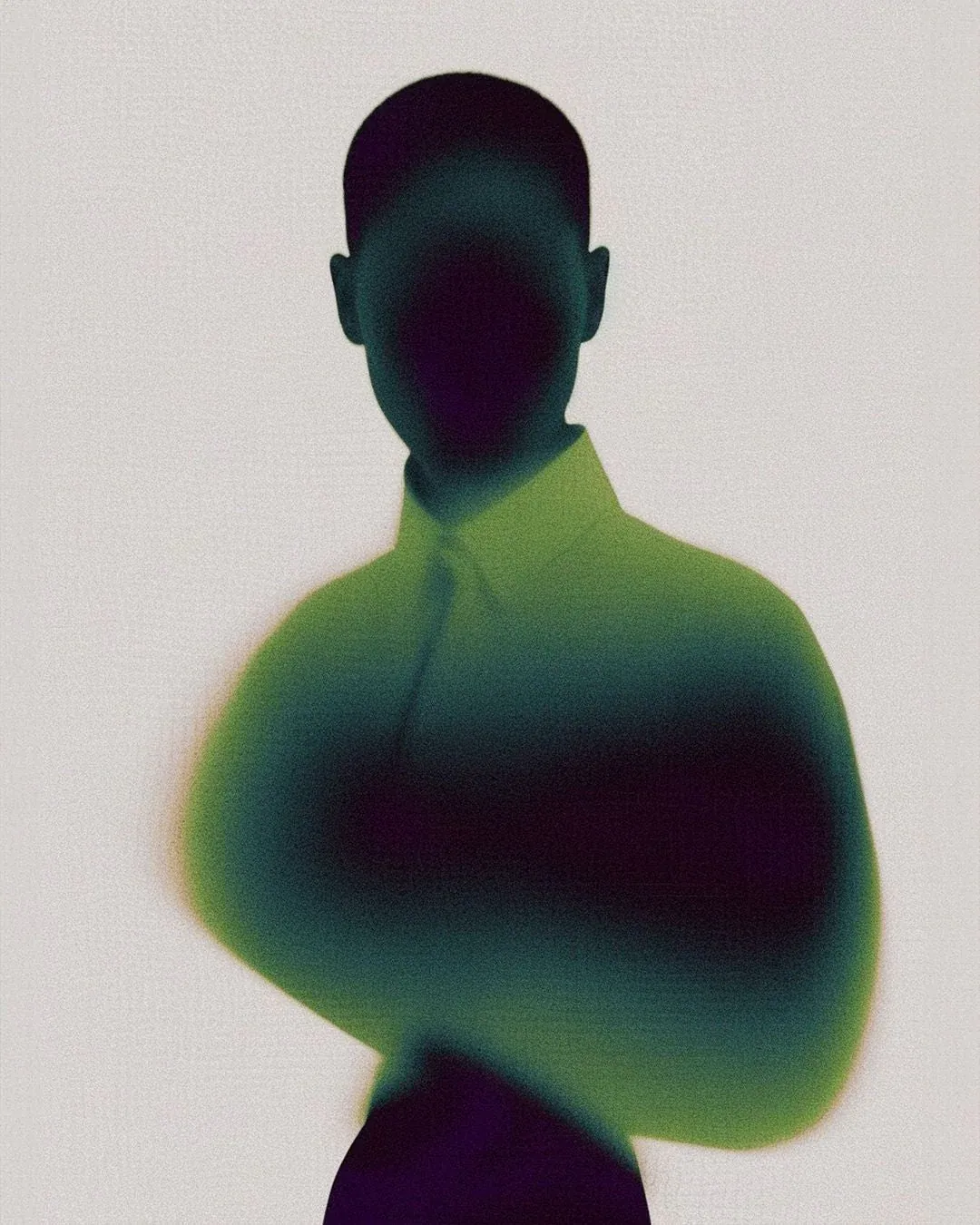

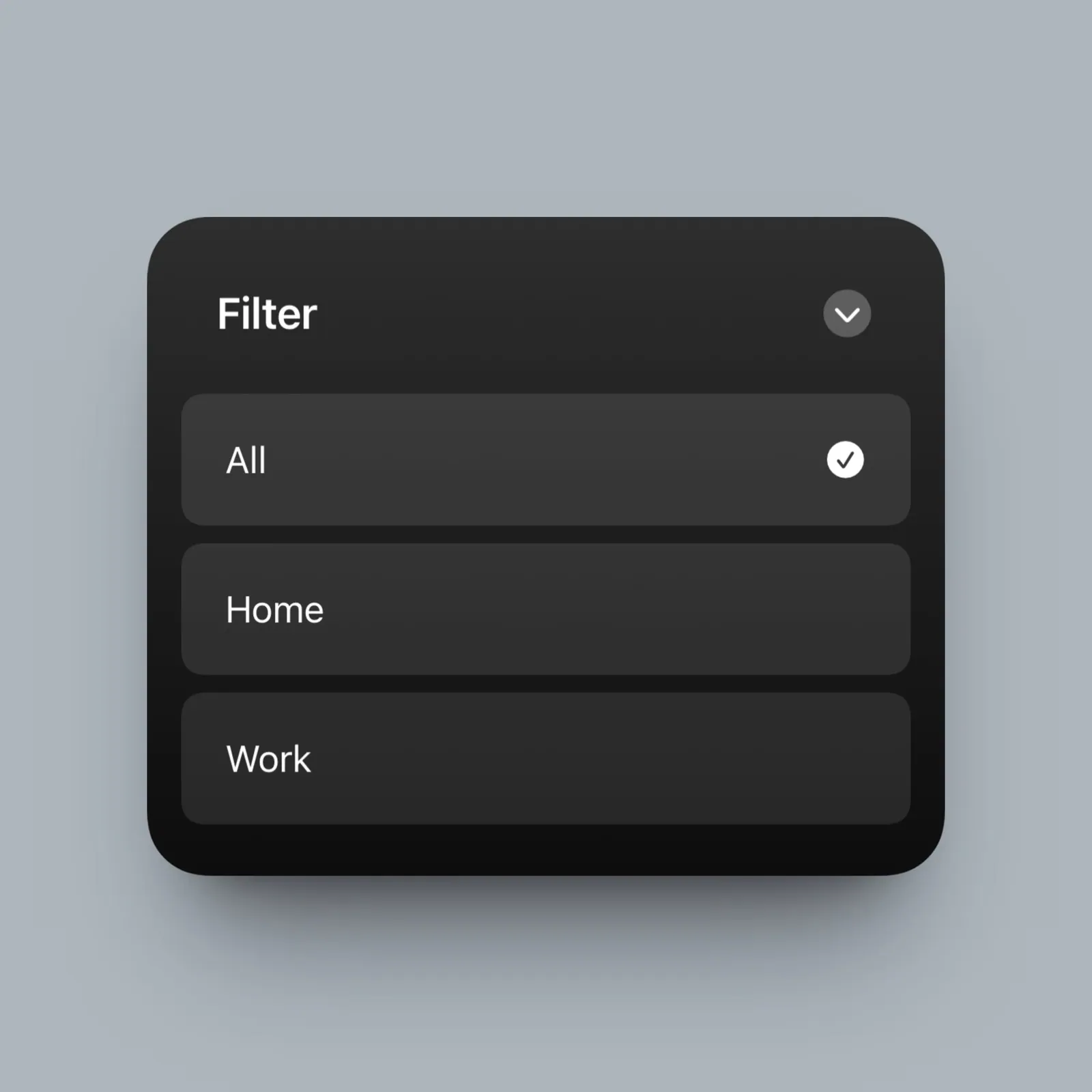

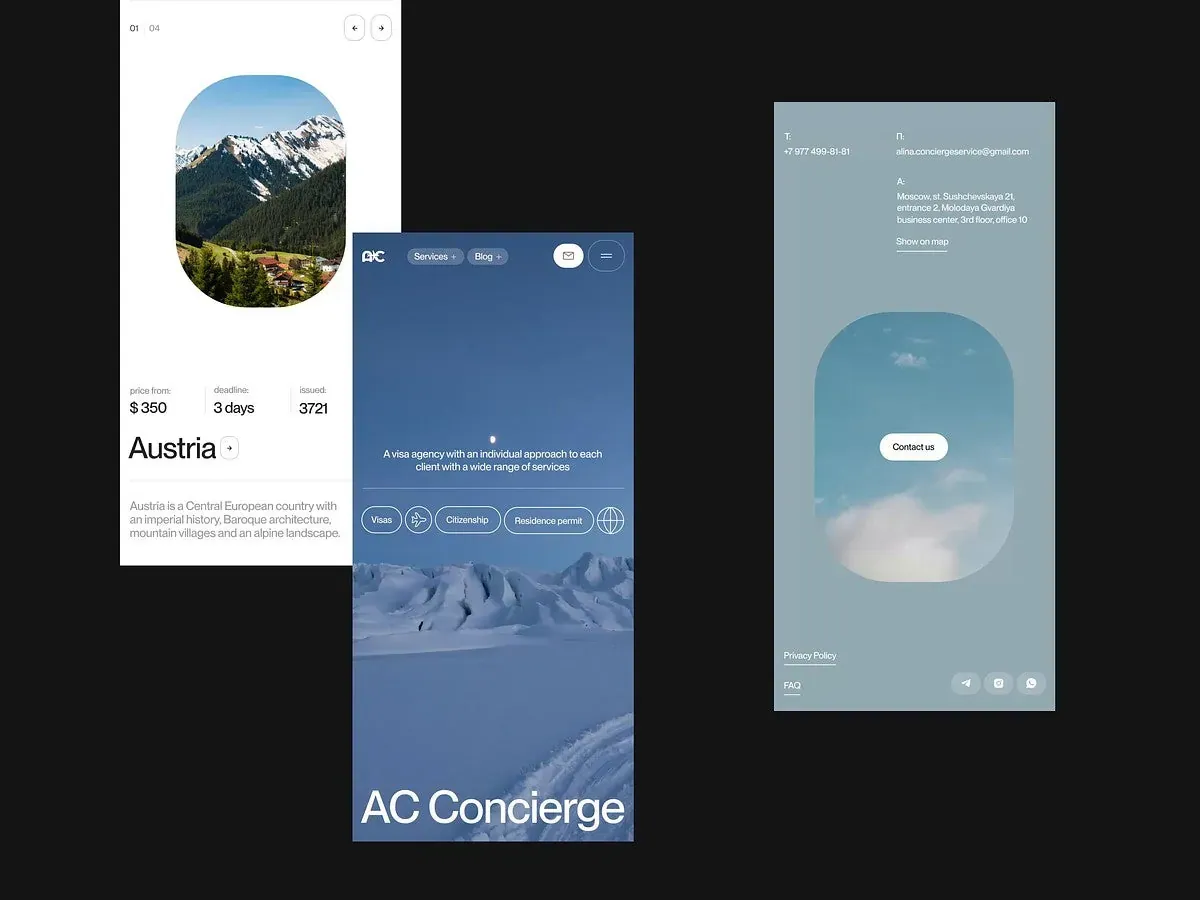

Shoppers now search with a camera. Fashion images need semantic alt text, structured markup and fast mobile pages to be found by Google Lens and AI tools.
Article
- Published
- Area
- Topic
- Reading time
- Written by
- 29 July 2025
- Creative Technology
- SEO
- 5 minutes
- Made in Evolve
Introduction
Visual search is already shaping how people buy fashion. Shoppers, especially Gen Z and Millennials, use Google Lens, Pinterest Lens and AI tools such as Gemini to find clothes and accessories they have seen on social media, in the street or at events.
For a fashion store, being found with a single shot depends on how its images are described, marked up and served. Here is what to work on, with three projects that show the results.
01
Preparing images for visual search
Alt text and metadata with semantic purposes
Alt text is not just an accessibility tool, it is also a lever for visual SEO. Descriptive, semantic alt text helps Google Lens, Pinterest Lens and other tools classify the image correctly.
Avoid keyword stuffing: natural phrases like “blue tailored jacket with peak lapels” work far better than “men jacket fashion blazer”. The file name, the caption and EXIF metadata also contribute to how visual search engines recognise the image.
Structured markup for garments, looks and outfits
Structured data (Schema.org) is essential for connecting images and content semantically. For fashion, the most useful markup types include Product, Offer, ImageObject and ItemList for outfits.
This data helps Google “read” the garments shown and display them in visual results and enhanced product listings. Brands that adopt these practices increase their chances of being featured prominently in visual search results.
Images in lightweight, mobile-first pages
A page with perfect images that is too slow will never be rewarded. Image weight must be optimised (formats like WebP, lazy loading, lossless compression) to guarantee fast load times.
Everything must be built mobile-first, since most visual searches happen on smartphones. Images need to be responsive, clearly visible even on small screens, and placed above the fold to maximise visibility.
Preparing for visual search takes a change of mindset: it is no longer enough to upload nice photos, you need a 360° visual strategy. From photographic quality to textual semantics, from structured data to technical performance, every element must make images “readable” not just to users but to visual search algorithms.
For a fashion eCommerce, this is one of the most concrete opportunities to boost organic traffic, CTR and conversions.
02
Case study: Shopify Plus replatforming and visual SEO for premium footwear
Three projects show how Made in Evolve has improved the visual discoverability of fashion brands. The first is an Italian high-end footwear brand that decided to migrate from Magento to Shopify Plus to improve eCommerce performance and management. The key challenge was optimising visual search and improving the organic visibility of product pages.
The Made in Evolve team managed a complete replatforming, rebuilding the whole eCommerce structure with a focus on a mobile-first user experience. New visual filters were implemented, along with a more legible modular design and high-resolution images in optimised formats, while keeping load times fast.
Semantic tags and descriptive alt text were added to every image, enabling broader indexing in Google Images results. In just 4 months, visual search impressions on Google grew by +58%, with a direct impact on organic traffic and on mobile conversion rate.
03
Case study: a women’s fashion brand with lookbooks optimised for Gemini
A women’s fashion brand in the luxury-contemporary segment needed to make its site more accessible to next-generation multimodal search, particularly through tools like Google Gemini and apps based on generative AI.
Made in Evolve created a series of AI-ready seasonal landing pages built around collections and lookbook outfits. Every image was tagged with semantic labels for pattern, fabric, colour and occasion, enabling a more precise match between visual search and product.
The improved SEO infrastructure came with an update to structured markup (Product, ImageObject, ItemList), to help AI-driven engines understand the content. After implementation, the brand recorded a +31% increase in organic CTR from visual queries and longer average sessions on editorial pages.
04
Case study: visual-first UX on Shopify Plus for an accessories brand
An emerging accessories brand chose Made in Evolve to redesign its entire user experience with a visual-first approach. The goal was immersive product exploration, starting from visual cues rather than traditional text-based categories.
A new information architecture was designed with visually rich product pages, featuring galleries with multiple views, interactive zoom, and a combination of lifestyle and still-life imagery.
To improve the mobile experience, every page was optimised for load times of under 2 seconds, with lazy-loaded images, the WebP format and smart use of placeholders.
The result: a 22% reduction in bounce rate on organic traffic and more interaction with visual elements, with a clear impact on the “discover” stage of the purchase funnel.
The three cases show that integrating visual search strategically is not just a technical improvement, but a crucial lever for user interaction, advanced SEO and the commercial performance of a fashion brand on Shopify Plus.
05
Are you ready to be found with a single shot?
What you can do now to prepare your store
Visual search is no longer a futuristic trend, but a reality that is already shaping purchasing behaviour. Preparing an eCommerce for it starts with simple but decisive actions.
Optimise images with multiple angles, high resolution and consistent context. Write descriptive, semantic alt text. Use structured markup for products, looks and outfits, so search engines can understand the visual content. Finally, make sure your pages are mobile-first and lightweight: visual searches happen almost exclusively on smartphones.
Why waiting risks costing you visibility and sales
Ignoring visual search today means giving up a growing share of organic traffic. Users, especially Gen Z and Millennials, use Google Lens and AI tools to find clothes and accessories they have seen on social media, in the street or at events.
If your images are not optimised, your brand will be invisible in visual search results, leaving the field open to competitors. Every day of delay is a missed chance to be discovered by people who are already looking for products like yours, with their camera.
The most common mistake: thinking a nice-looking site is enough
A visually appealing site is not enough. You need a technical structure ready for visual scanning, SEO semantics designed for images and a UX built for exploration through visual cues.
Visual search does not reward whoever looks best, but whoever communicates best through images. Investing now means standing out and building a lasting competitive advantage.
06
Three areas to review in a visual search audit
Visual search is changing the way people discover products and brands. For a store that is not yet ready for this visual and multimodal landscape, a review of the site should cover three areas that directly affect visibility and performance:
- Image indexing: how search engines read your images, whether they are correctly linked to products, and whether they are optimised to appear in visual search results such as Google Lens or Bing Visual Search.
- Product optimisation for multimodal search: the presence and effectiveness of alt text, structured markup and semantic tags, and how images are integrated into lightweight, mobile-first pages.
- Discoverability, dwell time and conversions: how a well-crafted visual experience can improve navigation, reduce bounce rate and increase conversion rate, including on organic traffic from visual search.
Visual discoverability is already a concrete lever for growing online visibility, sales and authority, and the brands that act first will take the space.
In figures
- +58% visual search impressions on Google in 4 months
- +31% organic CTR from visual queries
- 22% lower bounce rate on organic traffic
- 2 seconds maximum page load time on mobile
More articles
Emerging brands: from creative vision to concrete results
24.07.2025, Creative Technology
23.07.2025, Creative Technology
21.07.2025, Brand Direction