Omnichannel & eCommerce: The Zara Case Study
In this article, we'll cover:
Integrating eCommerce and Physical Stores
- Zara's investment in integrating its sales channels.
- How easy it is for customers to buy online and collect or return items in store.
- Increased footfall in physical stores and repeat purchase opportunities.
Marketing and the Perception of Luxury
- Selling affordable fashion with a luxury perception.
- Successfully carrying this strategy over from physical stores to online.
- Using high-quality editorial photography to showcase products.
A Strategy of Scarcity and Exclusivity
- Reducing the paradox of choice for customers.
- Offering a limited product range to make decision-making easier.
- Creating a sense of urgency and exclusivity.
Supply Chain Efficiency
- Speed and efficiency in responding to emerging trends.
- Maintaining an optimised inventory to keep offering on-trend products.
Impact on the Fashion Industry
- The influence of Zara's omnichannel approach on the fashion industry.
- New standards for sales channel integration and technology use.

Sustainability and Social Responsibility
- Zara's commitment to sustainable, responsible practices.
- Reducing environmental impact and improving working conditions across the supply chain.
In the digital age, omnichannel has become a fundamental component of success in the fashion sector, particularly in eCommerce. Zara, part of the Inditex Group, is an excellent example of how omnichannel integration can radically transform the way fashion brands interact with their customers.
Integrating eCommerce and Physical Stores
Zara has invested heavily in integrating its sales channels. The ability for customers to buy online and collect or return products directly in store is a clear example of this strategy. This not only improves convenience for the customer, but also increases the company's operational flexibility and efficiency. What's more, encouraging in-store returns increases footfall in physical stores, creating additional opportunities for further purchases. This synergy between online and offline is essential for increasing the likelihood of repeat purchases, showing how integrating different sales channels can be a powerful tool for improving the customer experience and boosting sales.
Marketing and the Perception of Luxury
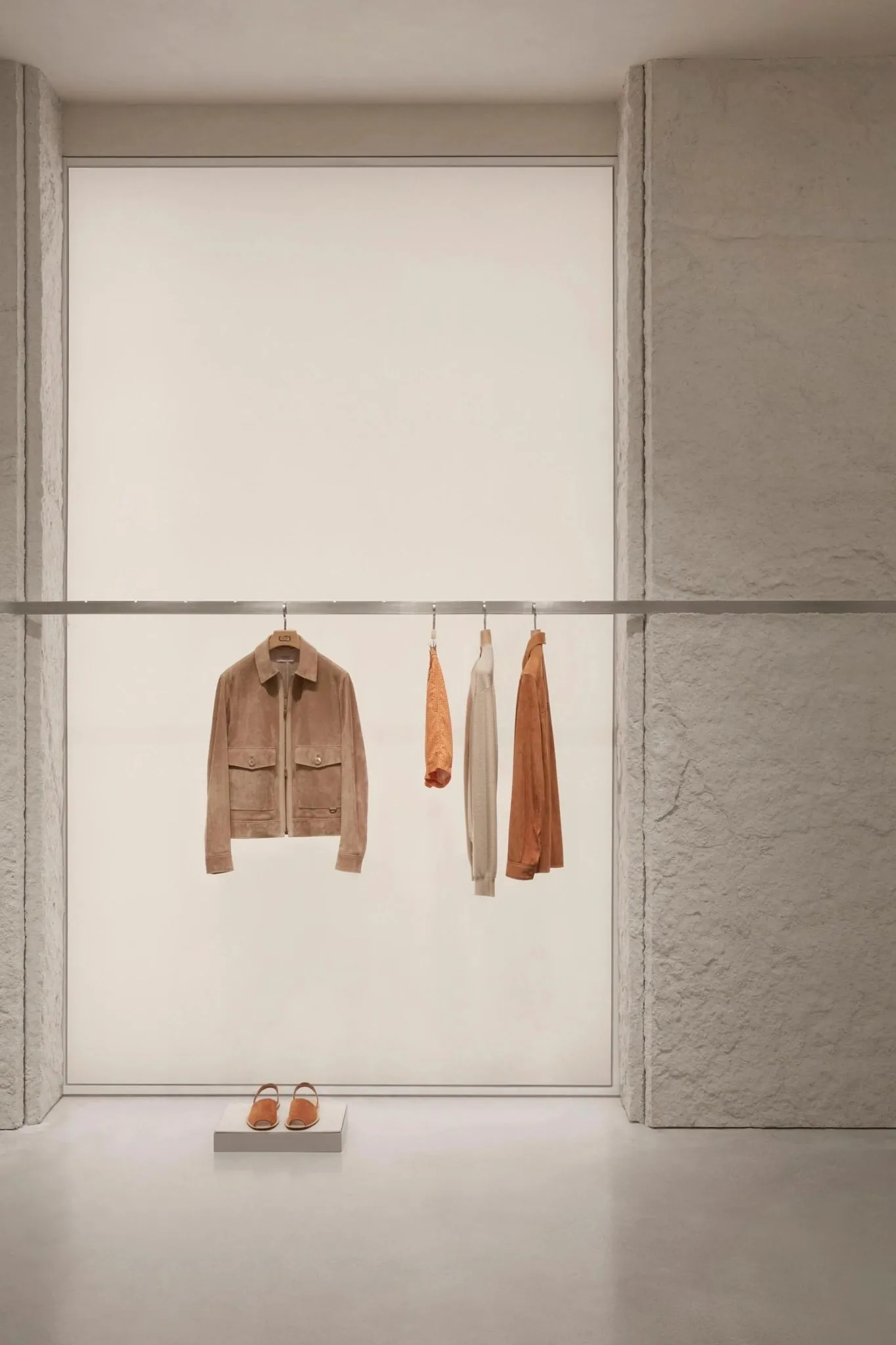
Zara's success is built on its ability to offer affordable fashion with a luxury feel. This strategy, rooted in its physical stores, has also been successfully carried over online. The use of high-quality editorial photography plays a key role in showcasing products, giving them a luxury image at accessible prices. However, the need to editorially curate every single image limits the possibility of adding an unlimited number of products to the online catalogue. This leads to another important point: careful selection and presentation of products become essential. Choosing to focus on a limited but well-presented range of items can help maintain an image of exclusivity and quality, helping to strengthen brand identity and drive customer interest and purchases.
A Strategy of Scarcity and Exclusivity
The paradox of choice, a concept widely discussed in psychology and marketing, plays a crucial role in the context of eCommerce. This concept is based on the idea that having too many available options can actually be counterproductive, leading to confusion and dissatisfaction among consumers. In an eCommerce environment, where customers are overloaded with endless choices, this can translate into lower sales and a less satisfying user experience.
When a consumer is faced with an excessive variety of products, they can experience what's known as ""choice anxiety"". This anxiety can lead to indecision, delayed purchases or even cart abandonment. In some cases, even after making a choice, consumers can experience regret or doubt, thinking they could have made a better choice.
By limiting its product range, Zara effectively reduces the paradox of choice for its customers. By offering a narrower but more targeted selection of items, the company makes the decision-making process easier for consumers, making the shopping experience more satisfying and less stressful. Moreover, this strategy creates a sense of urgency and exclusivity, since products are perceived as more desirable due to their limited availability. This not only grabs consumers' attention but can also encourage faster purchasing decisions, tapping into the fear of missing out on a unique opportunity.
Supply Chain Efficiency
The speed and efficiency of Zara's supply chain are crucial to its omnichannel strategy. The ability to respond quickly to emerging trends and maintain an optimised inventory allows Zara to always offer on-trend products, both online and in physical stores.
Zara's omnichannel approach has had a significant impact on the fashion industry, setting new standards for sales channel integration and technology use. This innovation not only improves the customer experience, but also pushes other companies in the sector to follow Zara's lead.
Sustainability and Social Responsibility
Beyond innovation in retail and eCommerce, Zara is also focusing on sustainability and social responsibility. The company is implementing practices to reduce its environmental impact and improve working conditions across its supply chain. These efforts demonstrate Zara's commitment not only to commercial success, but also to having a positive impact on society and the environment.
In conclusion, Zara's omnichannel approach in fashion eCommerce is an example of how innovation, marketing strategy, technology and social responsibility can be combined to create a successful business model. Zara hasn't just redefined the shopping experience for its customers; it has also set new standards for the entire fashion industry, showing that adaptation and innovation are essential in the digital age.