
Is E-commerce Really Dead? Analysis of an Ever-Growing Sector
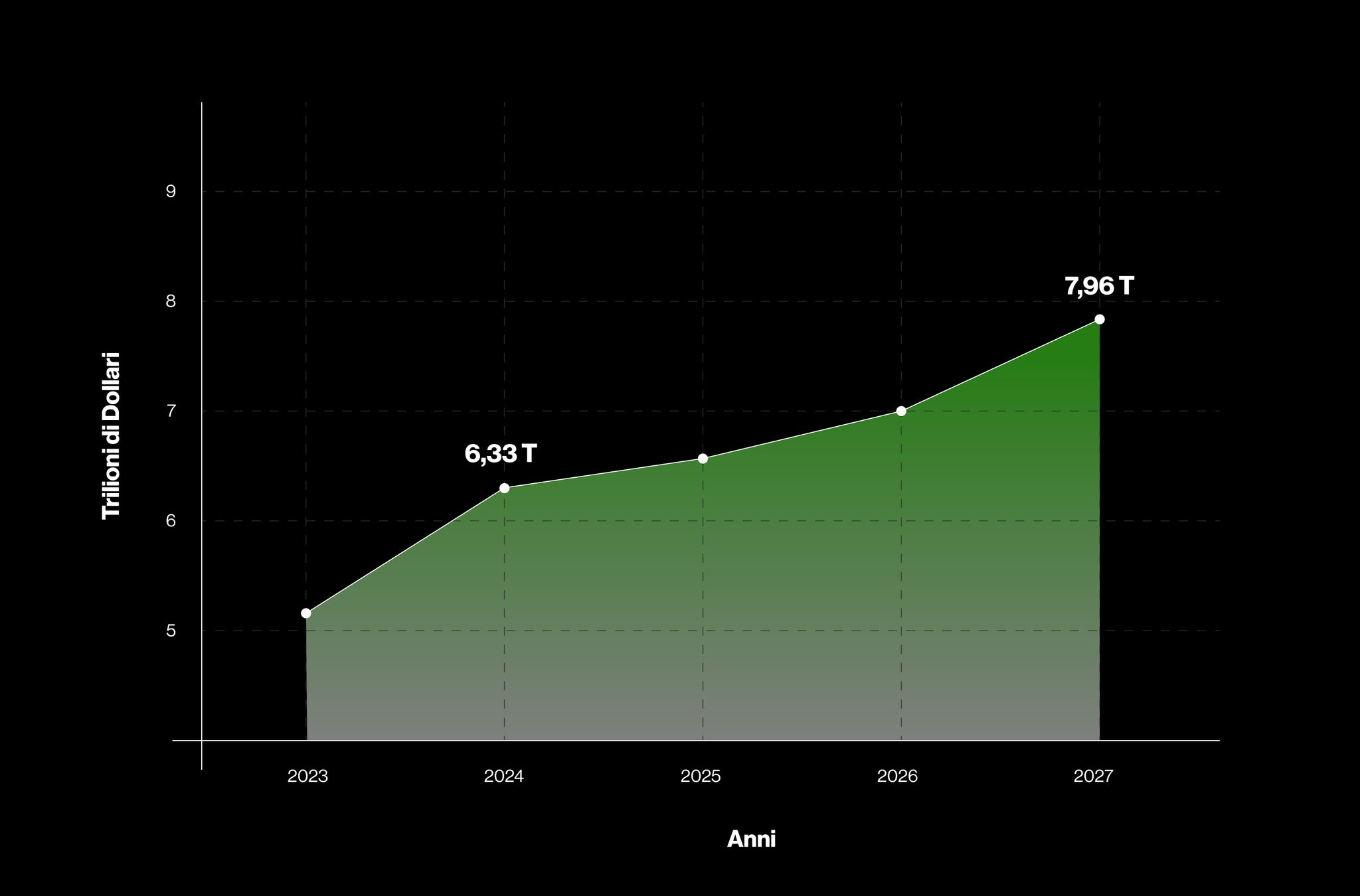
In recent years, the idea that e-commerce is "dead" or in decline has gained traction. The rebound in physical store sales after the pandemic, along with rising shipping and logistics costs, have fed this negative perception. Some believe e-commerce has already peaked and that consumers are returning to traditional shopping habits. However, a closer look reveals a very different reality: e-commerce is still very much alive and continues to evolve with strength. In 2024, global e-commerce sales are projected to reach $6.33 trillion, up 8.8% on the previous year, with estimates reaching $7.96 trillion by 2027. This represents 20.1% of total global retail sales, with growth forecast to reach 22.6% by 2027. In particular, e-commerce is benefiting from growing consumer confidence in online shopping and rising sales via mobile devices.
The Importance of Amazon and Shopify in the E-commerce Landscape
Amazon continues to dominate the sector, with a projected gross merchandise value (GMV) of $757 billion in 2024. In the United States, Amazon holds over 40% of online retail sales, with estimated revenue of nearly $500 billion. Shopify, one of its main competitors, powers 20.42% of e-commerce sites worldwide, cementing its position as the leading platform for small and medium-sized online sellers.
The Most Profitable Sectors in 2024
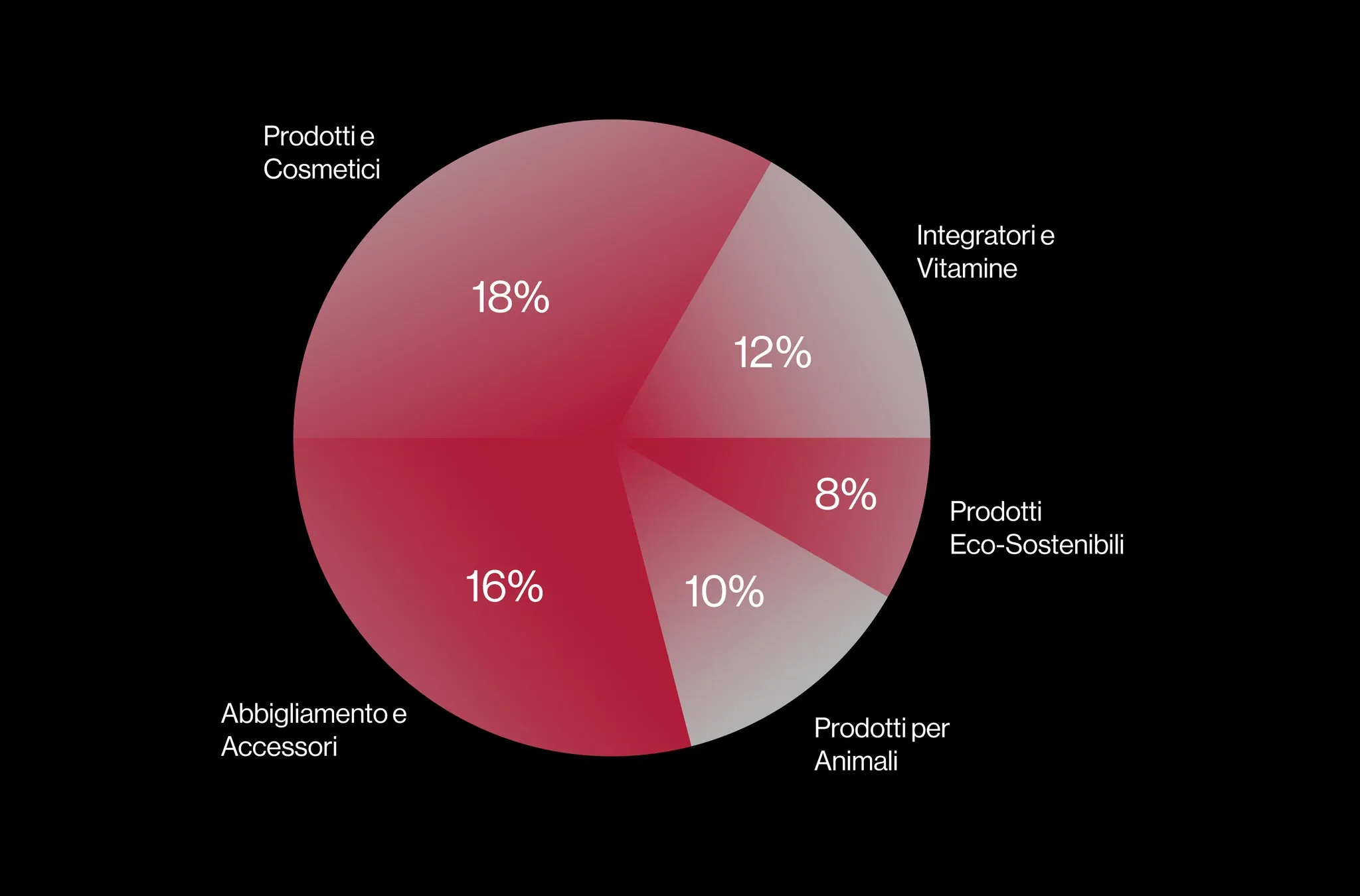
Certain sectors are driving online sales growth. Among them, cosmetics and skincare products account for 18% of total sales. Supplements and vitamins make up 12%, driven by growing attention to physical and mental wellbeing. The clothing and accessories sector accounts for 16% of total sales, while eco-friendly products are growing rapidly, with 8% of overall sales. Finally, pet products account for 10% of sales, with steadily rising demand.
In a highly competitive e-commerce market, a seller needs to pay attention to several factors before launching. Here are the 10 key points a seller should keep in mind to succeed:
1. Identifying a niche product:
With competition on the rise, it's essential to choose a unique product or one with a strong differentiator. Selling generic products can make it hard to stand out, while a well-chosen niche can boost visibility and customer loyalty.
2. Thorough market research:
Before starting the business, it's important to analyse the market to understand trends, demand and competition. Using tools like Google Trends or competitor analysis can help identify opportunities.
3. Choosing the right platform:
Consider whether to sell on established platforms like Amazon or Shopify or build an independent site. Each platform has its own specific costs and benefits that need to be weighed against your business model.
4. Inventory management:
Efficient inventory management is crucial. Not having enough stock can lead to lost sales, while excess stock can drive up storage costs. Using automated management software can improve efficiency.
5. Optimising logistics and shipping:
Customers expect fast, hassle-free deliveries. Having an efficient, transparent shipping system, perhaps by integrating third-party logistics (3PL), can reduce delivery times and improve the customer experience.
6. Branding and Marketing:
Building a distinctive brand is essential. Investing in a strong online presence, using marketing tools such as SEO, social media marketing and influencer partnerships, helps generate visibility and trust.
7. Customer experience:
Long-term success depends on the experience you offer customers. This includes not only site design and ease of use, but also flexible return policies and excellent customer service.
8. Sustainability and Values:
Today's consumers are paying more and more attention to a brand's values. Promoting sustainable or ethical practices can be a major competitive advantage, especially with a younger, environmentally conscious audience.
9. Flexible payment methods:
Offering multiple payment options, including digital wallets, instalment payments and cryptocurrencies, can boost conversion rates and meet the expectations of a wider audience.
10. Continuous adaptation and innovation:
E-commerce is constantly evolving. Monitoring industry trends, adopting new technologies (such as artificial intelligence for personalisation or augmented reality to improve the shopping experience) and being ready to adapt quickly are key to staying competitive.
Keeping these factors in mind can help a seller stand out and succeed in the e-commerce market.
Conclusion
Despite logistical challenges and rising costs, e-commerce is proving remarkably resilient, adapting to new technologies and changing consumer habits. With leading platforms like Amazon and Shopify continuing to expand, and sales in key sectors still rising, it's clear that e-commerce is anything but dead. On the contrary, it continues to thrive, evolving to meet the needs of a market that is increasingly connected and focused on sustainability and wellbeing.
Sources:
1. Cosmetics and skincare products: Shopify
2. Vitamins and Supplements: Shopify
3. Clothing and Accessories: Shopify
4. Eco-friendly products: ShipBob | Oberlo
5. Pet products: ZEN.COM | ShipBob