
Fashion eCommerce: from data analysis to winning strategies

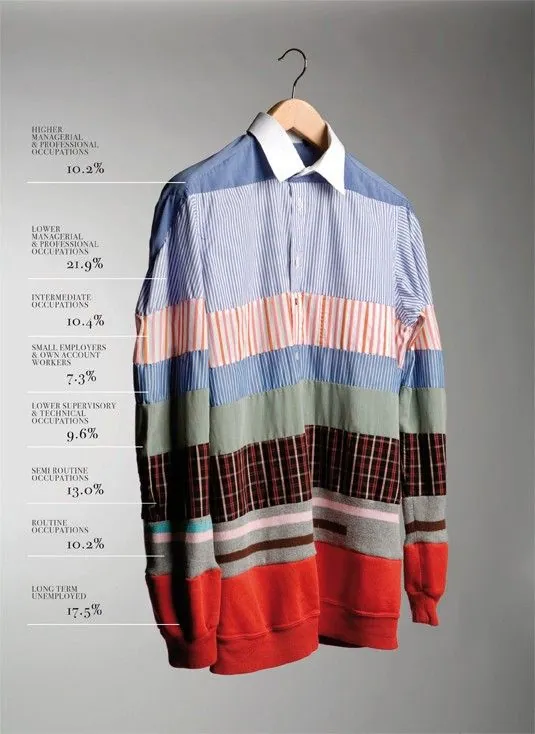
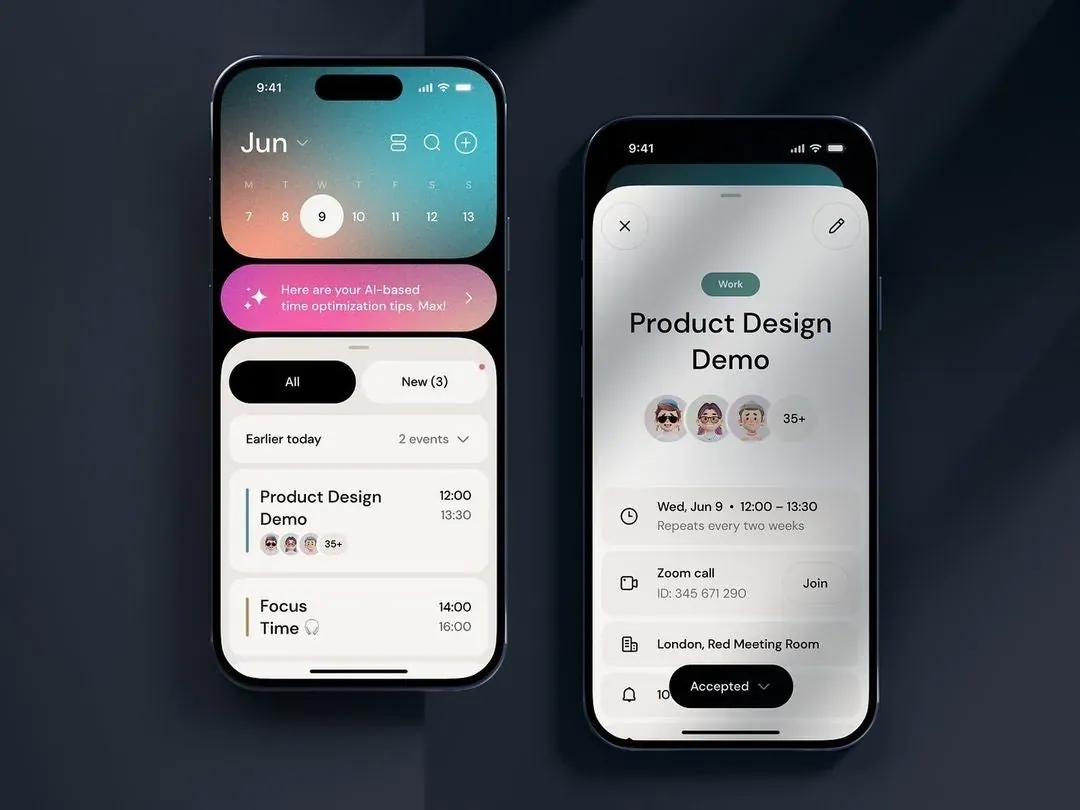


Data shows a fashion store what sells, when and to whom. Read with AI and predictive models, it anticipates trends, optimises stock and personalises every offer.
Article
- Published
- Area
- Topic
- Reading time
- Written by
- 9 July 2025
- Performance Marketing
- Data
- 3 minutes
- Made in Evolve
Introduction
In fashion eCommerce, data analysis is not an option but a necessity. Data is the key to understanding customer needs, anticipating market trends and optimising the whole shopping experience.
In an increasingly competitive market, the strategic use of data, combined with artificial intelligence (AI) and predictive analytics, makes it possible to stay ahead of trends and gives brands a competitive edge.
01
The importance of data analysis in fashion eCommerce
Every interaction with an online store generates data: site visits, purchases, feedback left on social media. This data is a goldmine for anyone who knows how to interpret it and turn it into strategic action.
With data analysis, fashion and lifestyle stores can:
- Identify the most popular products: knowing which items attract the most attention makes it possible to optimise inventory and reduce waste.
- Understand buying habits: discovering which days and times generate the most sales helps plan effective promotional campaigns.
- Improve the user experience: analysing customer behaviour on the site makes it possible to remove points of friction, increasing the conversion rate.
- Personalise the offer: data makes it possible to suggest products and promotions tailored to each customer, improving engagement.
02
Essential KPIs for a fashion store’s success
When monitoring the performance of a fashion store, some KPIs (Key Performance Indicators) are essential for assessing the success of the strategies in place:
- Conversion rate (CR): the percentage of visitors who complete a purchase. A high CR reflects an optimised site and a compelling offer.
- Average order value (AOV): the average value of orders placed. Increasing it means growing revenue without necessarily attracting new customers.
- Customer lifetime value (CLV): an estimate of a customer’s overall economic value over time. Improving CLV is crucial to the sustainability of the business.
- Bounce rate: the percentage of users who leave the site without interacting. A high bounce rate can signal problems with the user experience.
- Retention rate: the ability to retain customers, a vital element of long-term growth.
03
How Made in Evolve uses data analysis for fashion eCommerce
At Made in Evolve, we believe data is the beating heart of every winning strategy. With our experience and advanced tools, we turn raw data into targeted, measurable actions. Our approach rests on three pillars:
- Continuous monitoring and analysis: we use tools such as Google Analytics and Shopify to monitor store performance in real time, so opportunities and issues are spotted quickly.
- Data-driven strategies: we analyse KPIs and use predictive models to define tailored strategies that meet each brand’s specific needs.
- Constant optimisation: we do not just implement strategies, we monitor results and keep improving them to maximise revenue.
This dedicated work on data has brought many clients outstanding results, from higher conversion rates to lower acquisition costs.
04
Artificial intelligence and predictive marketing: the future is already here
Artificial intelligence (AI) is changing data analysis and fashion eCommerce. It makes it possible to process large amounts of data in real time, offering valuable insights and opening the way to predictive marketing.
With predictive marketing and constant data analysis, we can:
- Anticipate trends: analysing historical data and market research, we can predict which products will be most in demand in the coming months.
- Optimise stock: reducing waste and improving inventory management lowers operating costs.
- Personalise the customer experience: machine learning algorithms make it possible to offer highly personalised purchase recommendations, boosting engagement and loyalty.
05
Staying ahead of market trends with data analysis
Staying ahead of market trends is essential for any fashion store looking to establish itself or keep a leading position. Data analysis makes it possible to identify not only current trends but future ones, so brands can anticipate customer needs and adapt their strategy quickly.
One of the most effective approaches we use at Made in Evolve is the integration of physical and digital channels. An omnichannel strategy gives customers a seamless experience, moving easily between physical stores and eCommerce and back again.
A customer might, for example, buy online and pick up in-store, or return a product bought on the website directly at a physical store. This kind of approach significantly improves customer satisfaction and increases the chances of loyalty.
The impact of social commerce cannot be overlooked either. Platforms like Instagram and TikTok are no longer just marketing tools, but genuine sales channels. Data analysis shows which content works best, which products are most popular and which influencers have the biggest impact on sales, and this knowledge allows us to optimise campaigns and maximise results.
Finally, a crucial element of customer loyalty is the integration of loyalty programmes based on data analysis. By analysing customer behaviour, it is possible to create highly personalised programmes that encourage customers to return and increase their value over time. Rewards, discounts or exclusive experiences based on individual preferences build a stronger relationship between brand and customer.
More articles
Newsletter management: a winning strategy for fashion eCommerce
02.07.2025, Performance Marketing
B2B commerce in fashion and lifestyle: opportunities for 2025
25.06.2025, Creative Technology
Web accessibility: the future of eCommerce is accessible
19.06.2025, Creative Technology