From hyper-personalisation to decision simplicity
The new paradigm of fashion ecommerce
For years the obsession was relentless hyper-personalisation across every touchpoint; today, in a market saturated with stimuli, the winners are those who reduce cognitive friction. Customers no longer want a thousand options, but clear paths that guide them to the best choice. The challenge isn’t “knowing everything about the user”, but turning data into fast, contextual decisions: which size to show immediately, which alternative to suggest when a product is out of stock, which benefit to highlight depending on the stage of the journey. In fashion, where emotion matters, simplicity isn’t sterile minimalism: it is intelligent curation that cuts through the noise and puts what truly drives purchase front and centre (fit, quality, style). In this paradigm, useful innovation is the kind that makes technology invisible and makes value felt with minimum effort.
Frictionless experiences as the expectation, no longer the extra
One-tap checkout, securely saved payment details, simplified returns and predictable delivery are no longer a wow factor, they’re baseline. Users expect predictive search that understands intent, essential filters that don’t overwhelm, and images and videos that instantly answer doubts about fit and materials. Personalisation remains useful when it’s transparent and respectful of consent, but what matters most is the feeling of being in control: clear microcopy, honest progress bars, immediate feedback on order status. Lightweight performance (reduced LCP) and stable layouts aren’t technical details: they are trust perceived across the entire funnel.
From complexity to essentials: what new users are looking for
New shoppers want guided choices rather than endless catalogues, thoughtful bundles instead of random upsells, and advice that speaks their language (style, occasion, climate). They prefer recommended sizes based on social proof over opaque profiling models, and favour checkouts that strip out unnecessary fields. The interfaces that win are the ones using smart defaults and progressive disclosure, showing the right content at the right moment. In short, less “surprise at all costs” and more reducing decision load through curation and clear rules: that’s how personalisation truly becomes performance.
Fluidity as the new standard: quick add and fast checkout
In fashion ecommerce, fluidity has become the minimum standard. It’s no longer enough to offer a broad catalogue and an eye-catching design: users expect fast, intuitive processes that cut out unnecessary steps. This is where features like quick add and fast checkout come in, turning the purchase journey into a natural, uninterrupted sequence. The goal isn’t to impress with complex functions, but to guarantee simplicity and continuity, making the time saved feel like an integral part of the brand’s value.
Quick add and one-click purchases: reducing decision steps
Quick add lets users add a product to the cart without opening the detailed product page. In a context where customers scroll quickly through multiple options, this feature cuts evaluation time and lets shoppers build a cart in seconds. Even more effective is one-click purchase, which removes the need to re-enter addresses and payment methods every time. Combining these tools reduces so-called “decision fatigue” and increases the likelihood that users complete the purchase before getting distracted or changing their mind. In fashion, where impulse often drives conversion, speed is synonymous with competitiveness.
Simplified checkout: successful models and case studies
Many international brands have already proven the value of a streamlined checkout. Platforms like Shopify have introduced standardised models that condense the flow into a single page, trimming forms down to only essential data. Brands such as ASOS and Zara have perfected mobile-first checkout with saved payment options and a linear design that guides without distractions. The best examples integrate digital wallets and fast payment systems such as PayPal, Apple Pay or Google Pay, delivering a fluidity that feels natural to the user. This approach translates into fewer abandoned carts and higher conversion rates.
The impact of speed on conversions and customer satisfaction
Every second shaved off the purchase journey translates into concrete results. Industry studies show that cutting checkout time from five minutes to two can boost conversions by up to 30%. What’s more, users who experience a frictionless journey are more likely to return and become repeat customers. Speed doesn’t just improve the conversion rate, it also fuels customer satisfaction: fewer obstacles generate more trust and more positive word of mouth. Ultimately, essentialism becomes a competitive advantage that strengthens the customer relationship and consolidates the brand’s positioning.
The product page as the centre of the user experience
In fashion ecommerce, the product page is no longer a simple container for information but the fulcrum of the purchase experience. This is where the decision happens: the user evaluates, compares and decides whether to trust the brand. A well-designed product page must be clear, emotional and functional all at once, combining technical data with visual storytelling. In a competitive landscape, it becomes the strategic space where minimalism, storytelling and micro-interactions turn an item into a memorable experience.
Decision minimalism: showing what’s right, not what’s too much
Too many details or options risk paralysing the customer. The real challenge, instead, is selecting the information that truly matters: availability, sizes, price, shipping and returns. Everything superfluous should move to secondary levels of navigation. Decision minimalism doesn’t mean poor content, but clarity in organising priority levels. A page that immediately highlights the key points reduces cognitive load, speeds up evaluation and builds trust. Users perceive transparency and feel in control, without getting lost in endless scrolling.
Visual storytelling and micro-interactions that guide the purchase
Fashion lives on imagery: high-quality photos, contextual videos and micro-animations become tools for conveying product value without words. Visual storytelling makes it possible to show a garment in motion, in realistic settings or on models with different body types, offering instant identification. Micro-interactions, such as hovers revealing the back and details, progressive zoom or quick previews of colour variants, boost engagement without adding weight. These are discreet but powerful elements that create continuity between exploration and decision, reducing doubts and increasing purchase confidence.
UX examples that turn the product into an experience
The best UX examples show how a product page can become a genuine experiential space. Brands like Nike and Uniqlo integrate recommendations based on usage data, while players such as Farfetch focus on editorial contexts and styling suggestions. In luxury, Gucci and Prada enrich the page with immersive content, telling the story and craftsmanship behind each item. In every case, the page is not just a description but a narrative and decision-making platform, where users get a preview of the product’s real experience. This centrality makes the product page a critical factor for conversion, loyalty and differentiation.
Gen Z and hyper-personal aesthetics: new demands, new challenges
Generation Z is the most complex and stimulating target for fashion ecommerce. Raised among social media and fluid digital identities, these consumers ask brands for much more than a product: they look for distinctive signs that help them express their uniqueness. They’re not satisfied with predefined collections, but want models, variants and narratives able to adapt to their personal language. Hyper-personal aesthetics thus become the new standard, challenging companies to balance brand consistency with individual freedom of expression.
The symbolic value of garments: monograms, graphics, narrative layering
For Gen Z, clothing is first and foremost symbolic code. Monograms speak of belonging, graphics become statements of identity, visual layering allows messages and roles to be stacked. It’s not just about aesthetics, but about personal storytelling through garments. The outfit becomes a canvas, where every element communicates something about the self to others: interests, values, the mood of the moment. Brands that grasp this dimension no longer sell just products, but tools for self-representation.
How young people navigate between irony and digital identity
Generation Z moves between two complementary registers: on one hand, the search for authenticity, on the other, the use of irony and quotation as a shared language. Meme culture, stylistic mash-ups and aesthetic hybrids become an integral part of how they communicate. A garment can be chosen as much for its functionality as for its viral potential on TikTok or Instagram. Brands that manage to tap into this logic create cultural as well as commercial connections, becoming part of spontaneous, shared conversations.
From product to meaning: when fashion becomes a personal language
In the Gen Z universe, fashion is never just consumption. It’s a personal language that defines both digital and physical presence. A pair of sneakers isn’t just an aesthetic choice, but a symbol of belonging to a community, a stance on a trend, or a nod to broader values such as sustainability and inclusion. Brands therefore need to shift their focus: no longer from product to consumer, but from product to meaning. This way, fashion becomes a cultural experience, capable of generating deep engagement and authentic loyalty.
Personalisation and AI: from recommendation to tailor-made experience
In fashion ecommerce, personalisation has moved from being a nice-to-have to representing a central element of the user experience. Artificial intelligence has accelerated this shift, making it possible to collect and interpret data in real time to generate increasingly targeted proposals. However, the goal isn’t to flood users with stimuli, but to offer relevant recommendations that guide without restricting. The real challenge is turning AI into a discreet support that accompanies the purchase, without replacing the freedom of choice that remains essential for Gen Z and new digital consumers.
Algorithms that suggest but don’t stifle choice
Modern algorithms are able to analyse browsing behaviour, past preferences and contextual data to suggest items in line with a user’s taste. But if personalisation becomes excessive, it risks narrowing horizons and reducing spontaneous discovery. Effective design must therefore maintain a balance between guided suggestions and freedom to explore. Offering alternative paths, showing products “outside the usual pattern” and integrating clear filters makes it possible to harness the power of algorithms without stifling the customer’s natural curiosity.
Pairings, looks and recommendations: the new virtual assistance
AI is no longer limited to suggesting similar items: today it can create complete looks, coherent pairings and context-based recommendations (season, occasion, social trends). In doing so, it becomes a genuine virtual assistant, able to replicate the personal shopper experience online. Suggesting coordinated sets or stylistic alternatives increases perceived value and shortens decision time. Moreover, the ability to save outfits and receive dynamic suggestions fuels a cycle of loyalty and return visits that strengthens the relationship between brand and customer.
The risks of too many options and the importance of lean design
Personalisation can backfire if it creates option overload. Too many recommendations on the same page end up confusing rather than helping. This is where lean design becomes decisive: hierarchical layouts, well-spaced visual suggestions and progressive choice paths make the experience clear and readable. AI must know how to balance quantity and relevance, offering a few high-impact alternatives instead of an endless catalogue. This way, personalisation truly becomes a tailor-made experience, able to combine technological efficiency with emotional value.
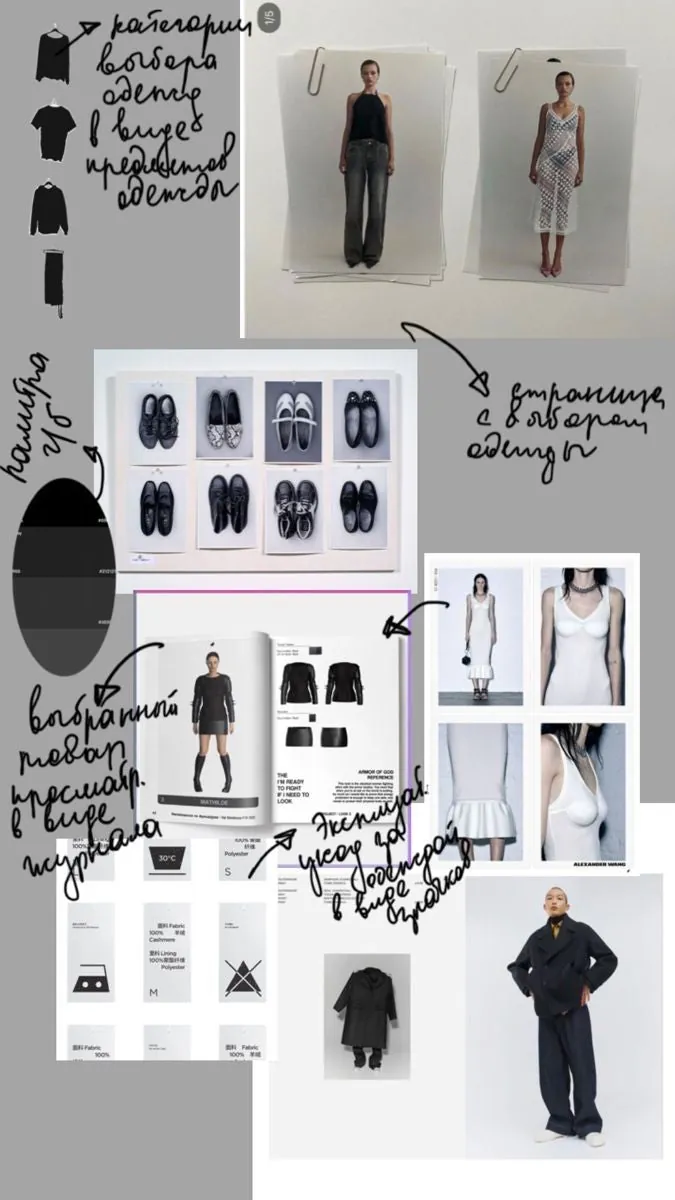
Brand identity in the digital age: the Made in Evolve method
The digitalisation of fashion has made one truth clear: without a clear, consistent identity, every innovation risks being perceived as a fleeting gimmick. Made in Evolve has built its approach starting from this awareness: a brand is not just a product, but a combination of values, narrative and consistency across touchpoints. The goal isn’t simply to adapt companies to digital, but to turn digital into a natural extension of their identity.
Values, heritage and brand-core: what must never be missing
Every fashion brand that aspires to last must be built on a well-defined brand-core. This means giving continuity to heritage, valuing artisanal know-how and maintaining a recognisable narrative thread across every interaction. Made in Evolve works with brands to identify the distinctive traits that go beyond the product — style, philosophy, reference community — and translates them into digital strategies capable of strengthening authenticity. Whether it’s Pollini or Pantofola d’Oro, the method doesn’t change: heritage becomes the compass for every decision, from editorial content to SEO positioning logic, right through to marketing automation campaigns.
The role of design in translating identity into user experience
Digital design isn’t just aesthetics, it’s the visual and functional translation of identity. Made in Evolve develops interfaces and user journeys that tell the story of who the brand is, even before what it sells. The colour palette, fonts, content layout and even micro-animations become tools for strengthening recognisability. In this way, design isn’t decoration but an integral part of the method: turning abstract values into tangible experiences, able to build trust and guide choice. A fluid checkout, intuitive navigation or a narrative product page are the digital reflection of the same care a brand invests in its materials and craftsmanship.
Integrated marketing strategies: connecting simplicity and personalisation
In the age of data, the challenge isn’t accumulating information, but knowing how to orchestrate it. Made in Evolve combines simplicity and personalisation in integrated marketing strategies built on smart segmentation, calibrated automation and consistent storytelling. Users shouldn’t perceive an artificial flow, but a natural experience, where the right message arrives at the right moment. Simplicity is guaranteed by linear paths and clear calls to action, while personalisation comes into play to increase relevance without generating overload. In this balance lies the real innovation: invisible marketing that manifests itself as attention to detail rather than commercial pressure.
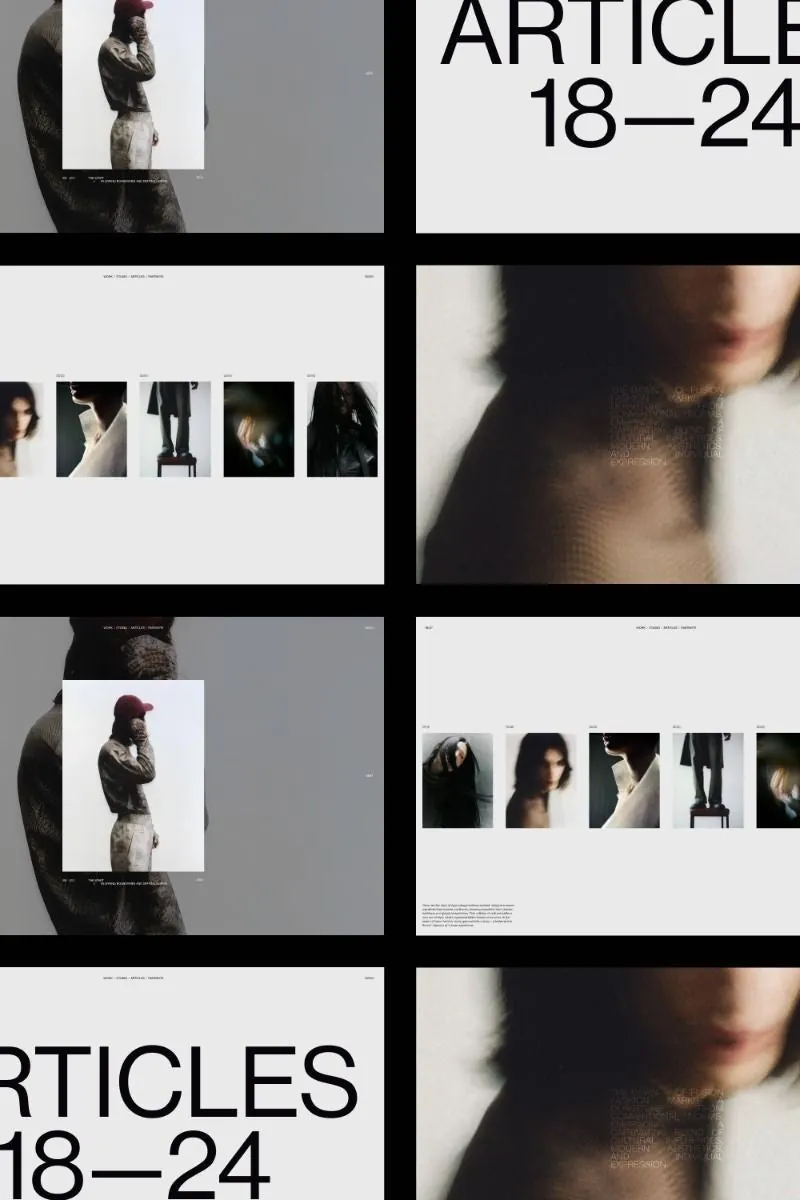
Technology and innovation serving the fluid experience
Digital innovation has no value unless it is perceived as simplifying the experience. The Made in Evolve method is built on the selective use of technology: not stacking up tools, but integrating ecosystems able to communicate with each other and strengthen the brand. From ecommerce platforms to artificial intelligence solutions, every choice follows one logic: turning data and channels into fluidity and continuity.
Shopify and the evolution of native checkouts
Shopify is today the platform that best embodies this paradigm, offering native checkouts that are ever faster and more secure. This evolution isn’t just about technical speed, but the ability to integrate digital wallets, local payment methods and features like Shop Pay, which drastically cut the steps at the point of conversion. Made in Evolve leverages these tools to translate brand identity into frictionless experiences: a checkout is not just the final point of the sale, but the last message of trust a brand sends to its customer.
Dynamic ecosystems: artificial intelligence, automation and UX design
Artificial intelligence and automation are at the heart of the new generation of ecommerce. It’s not about adding chatbots or recommendation algorithms in isolation, but about building dynamic ecosystems where AI, UX design and marketing work together. The data collected becomes smart recommendations, personalised journeys and proactive support. Made in Evolve uses these technologies to help brands not only sell more, but build solid relationships, where users feel guided without perceiving invasive control. The goal is to turn system complexity into simplicity as perceived by the end user.
Frictionless omnichannel: continuity between physical and digital
The real test for fashion brands is integrating physical and digital experience into a single, coherent flow. Users want to recognise the brand in-store just as much as on the site or app, sensing the same attention to detail at every touchpoint. Made in Evolve works on omnichannel by creating processes that bring together logistics, communication and customer care, so that an online purchase can be picked up in-store, a return handled without friction, and a promotion honoured across every channel. Fluidity thus becomes the true measure of a mature brand: there are no longer barriers between online and offline, but a single integrated experience that strengthens loyalty and amplifies reputation.
In short, the Made in Evolve method combines brand identity, strategic design and innovative technology into a unique approach, able to turn fashion brands into recognised benchmarks in the digital age. It’s not about adding tools or channels, but about giving coherence and continuity to a story that starts from its roots and projects into the future. Heritage and innovation aren’t opposite poles, but complementary levers for creating memorable experiences and sustainable growth.
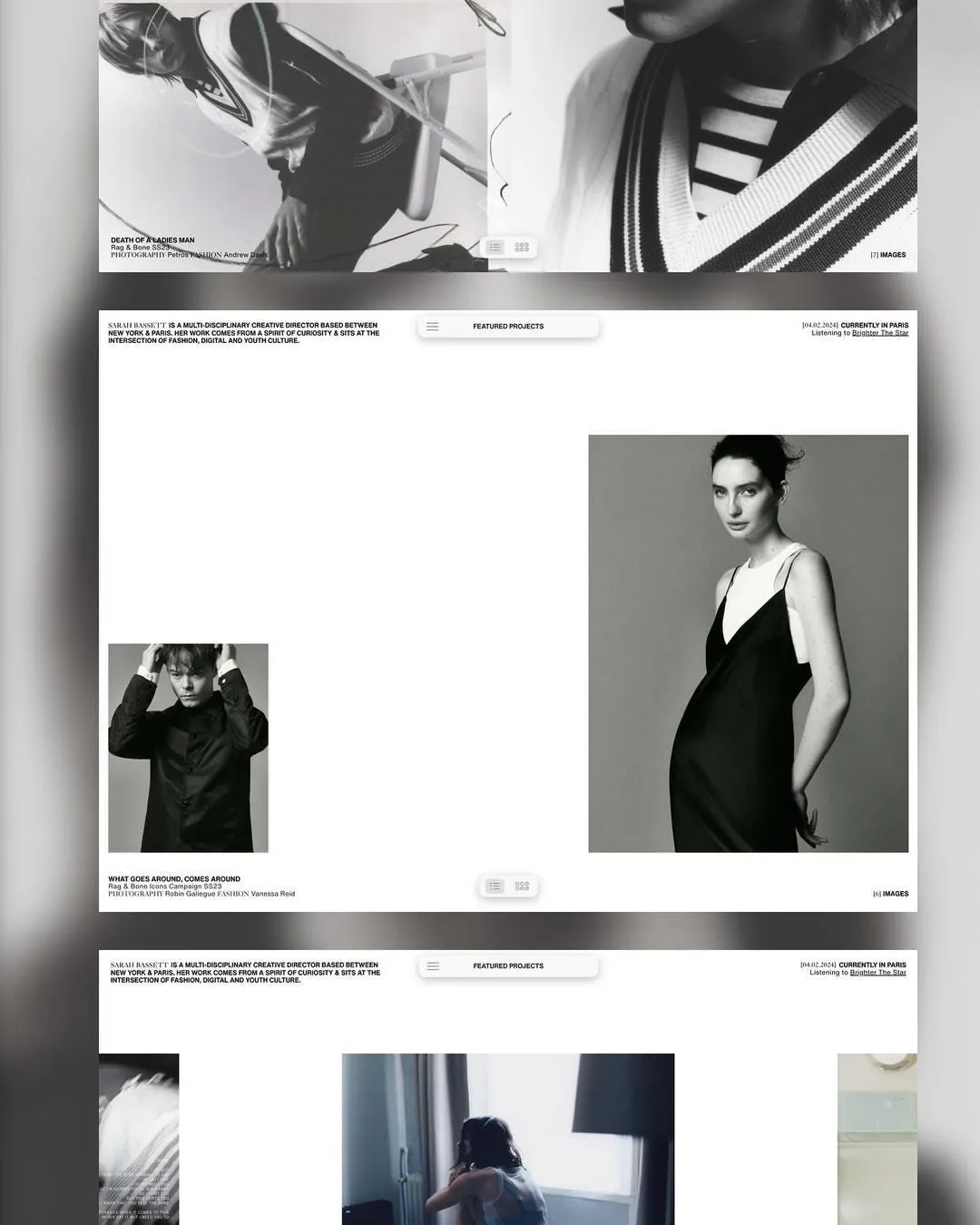
The future of fashion ecommerce according to Made in Evolve
Fashion ecommerce is at a crucial moment: technology has torn down the barriers between online and offline, while consumers move with ever higher expectations. According to Made in Evolve, the future won’t be dominated by whoever has the most features, but by whoever can connect fluidity, speed and identity into a coherent ecosystem. The challenge is to maintain the strength of brand values in a landscape dominated by algorithms and artificial intelligence, without losing the authenticity that sets one fashion brand apart from another.
A changing ecosystem: fluidity, speed and identity
The new standard requires every stage of the customer journey to be fast and frictionless. A high-performing ecommerce site isn’t enough on its own: it takes fast checkout, intuitive micro-interactions and personalised recommendations that reduce decision load. However, the real difference plays out on identity: brands that manage to integrate heritage and innovation will offer not just convenience, but also recognisability and consistency at every touchpoint. This balance makes it possible to win the trust of new generations and retain long-standing customers, ensuring continuity over time.
From vision to implementation: how to build winning experiences
The future of fashion ecommerce, according to the Made in Evolve method, doesn’t stop at theory. The key is moving from strategic vision to concrete implementation: integrating platforms like Shopify for fluid checkout, using AI and marketing automation for non-intrusive personalisation, building omnichannel experiences where the physical store and digital speak the same language. Every project becomes a lab where identity and technology reinforce each other. In this way, innovation doesn’t replace tradition but amplifies it, creating experiences that don’t just convert, but stay memorable.