Black Friday: The Decline of the Discount Era and the Future of Retail
In recent years, the Black Friday landscape has seen growing market fragmentation. At Made in Evolve, we've noticed that most of our clients increased revenue compared to previous years. Good, but we need to stay alert: this year a different sentiment is emerging, less frantic and more considered, both among merchants and end users. This shift, while positive in terms of market maturity, highlights the need to rethink future strategies to navigate an increasingly complex landscape. The data reveals a decline in the ability to grab attention, caused by an oversaturation of offers that has eroded margins on one side and reduced consumer interest on the other. This raises a crucial question: if discounts lose their pulling power, what strategies should brands adopt to stand out and carve out a sustainable slice of the market?
Discount inflation and the competition problem
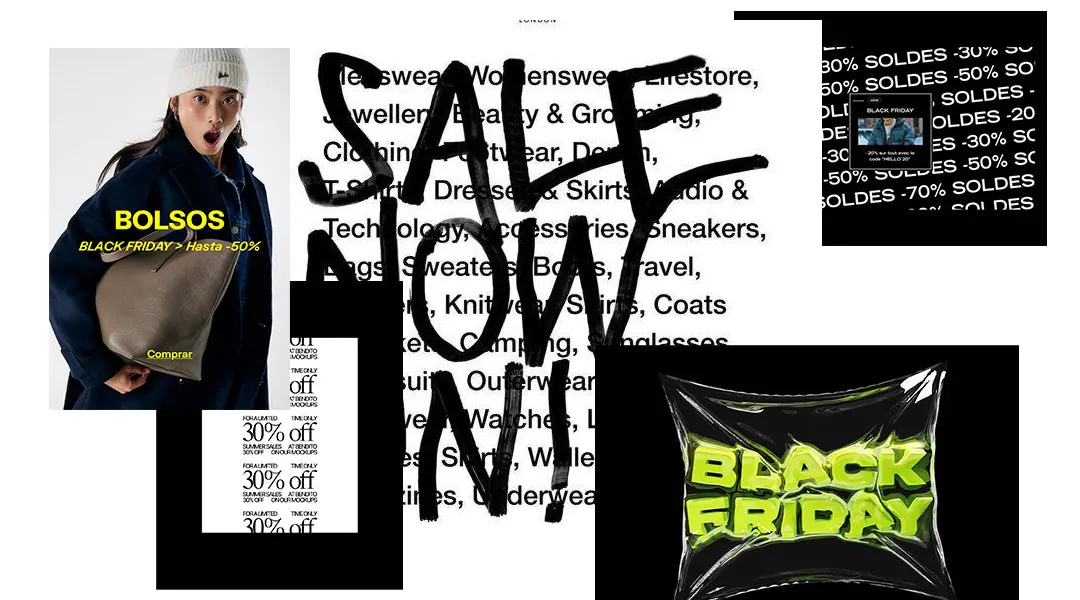
The race to the lowest price doesn't just erode profit margins — it's also undermining brands' perceived value. What's more, while many brands dress up their strategies as sustainability, a more urgent and credible issue emerges: margins. Continuing to cut prices isn't sustainable in the long run. It's clear that, rather than further price cuts, brands need to look for alternative strategies that make them unique in consumers' eyes, pursuing a more complex but genuinely sustainable path: brand identity.
Too Much Choice, Too Much Confusion: How to Overcome the Paradox of Choice
In a market with infinite supply, consumers often find themselves overwhelmed by too many options, which makes the decision-making process tiring and frustrating. This phenomenon, known as the paradox of choice, shows how an excess of alternatives doesn't boost sales but, on the contrary, risks freezing the buyer or pushing them to choose nothing at all.
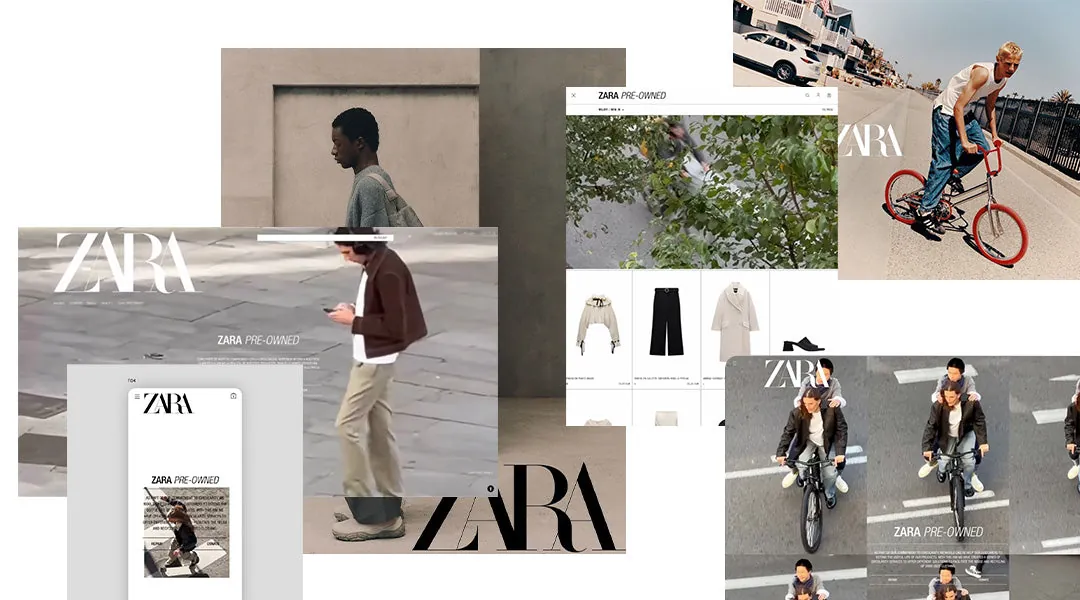
Zara was one of the first brands to understand the importance of simplifying its offer. By reducing the number of available options, it made the shopping experience smoother and more immediate. Today, this strategy goes beyond the product and must also be applied in relation to competitors: it's not enough to offer less — you have to offer better.
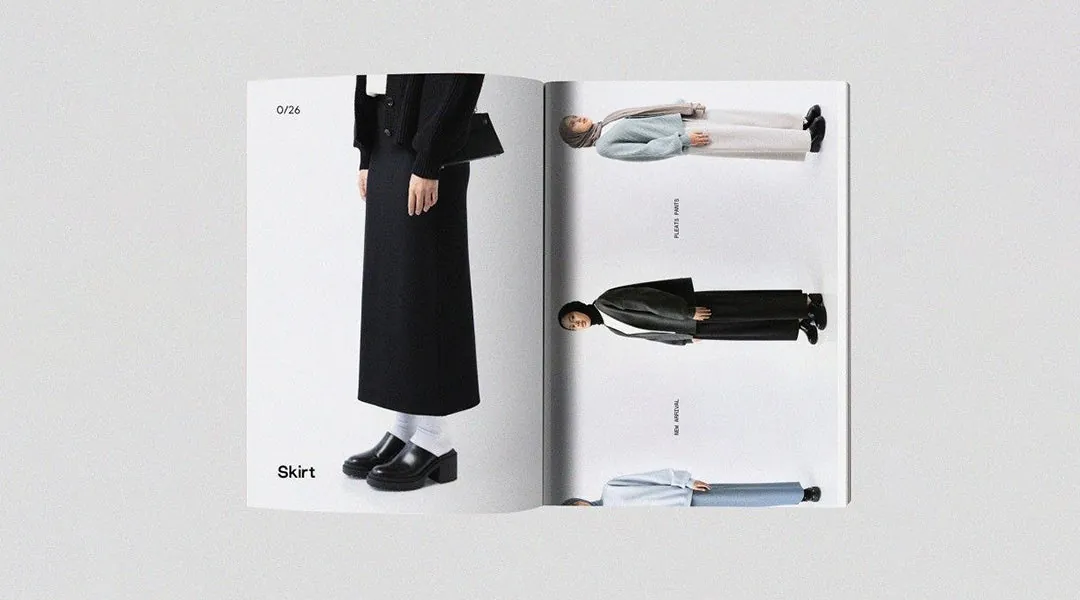
To overcome this paradox, brands need to adopt a strategic approach that cuts through the noise and lets their identity come through strongly. Distinctive images and visual content that reflect the brand's DNA are a fundamental first step in communicating personality and values. A distinctive style — and above all a distinctive product — able to speak to a specific niche creates a deeper, more lasting connection with the audience, making the brand recognisable and unique.
At the same time, it's essential to develop targeted collections designed for a well-defined audience. Overcrowded catalogues risk diluting a product's appeal, while a carefully curated assortment conveys consistency and a clear vision.
From product to experience: the future of retail
The future of retail will be shaped by brands that invest in brand identity, building loyal communities and standing out through uniqueness. It's a complex path, but a necessary one to navigate growing market fragmentation and ensure long-term sustainability.
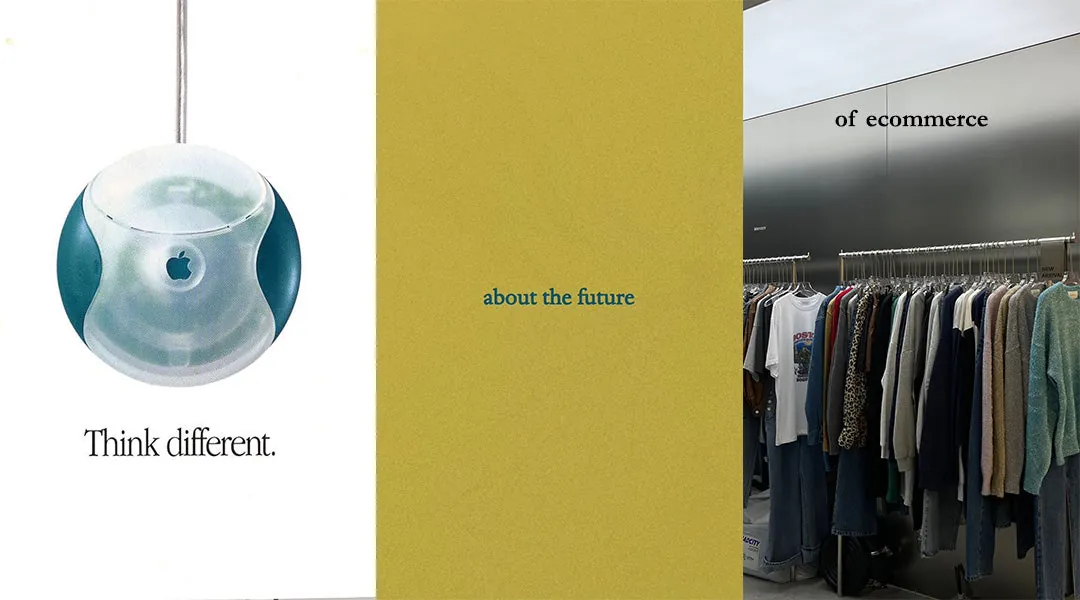
We need to start thinking differently: reducing product offering, cutting investment in poorly targeted activities, and taking care of customers one by one with personal attention. This approach might lead to a short-term drop in revenue, but it will make businesses — large or small — genuinely sustainable. Agencies like ours also need to consider the market as a whole, developing thinking and models that provide holistic consultancy for our partners and clients, aiming for solid, lasting growth.