
10+1 Proven Strategies to Double Your Fashion eCommerce Sales
Contents:
- +1 Industry Understanding
- SEO and SEMrush
- Targeted Email Marketing
- Predictive Analytics in Fashion
- UX/UI Optimisation
- Quality Product Photography
- Trustpilot and Feedaty Reviews
- Marketing Automation for Fashion
- Product Feed Optimisation
- AI Support Chatbot
Welcome to the guide “10+1 Proven Strategies to Double Your Sales: Fashion eCommerce Guide”. This guide was created to give fashion entrepreneurs and professionals the tools and knowledge they need to successfully navigate the world of fashion eCommerce. In an industry in constant evolution, where style, trends and technology intertwine, a deep understanding of the market is essential.
1. +1 Industry Understanding
Fashion isn't just an art form — it's also a dynamic, competitive business. Understanding brands, current trends, the ideal timing for promotions and sales, and identifying the most effective sales channels are all key to success.
This guide aims to explore innovative, proven strategies, from the technical details of SEO and digital marketing through to creating an engaging, memorable customer experience. Our goal is to provide a complete, practical overview that can guide you through the challenges and opportunities of online commerce in the fashion industry.

2. SEO and SEMrush
The success of a fashion eCommerce business depends heavily on its online visibility. Effective SEO (Search Engine Optimisation) ensures your website is easily found by potential customers. This section explores how using tools like SEMrush can significantly improve your search engine rankings.
SEMrush is a versatile digital marketing tool that offers several essential features:
- Keyword analysis: Lets you research and analyse effective keywords for SEO and PPC campaigns, helping you understand search volume, difficulty and traffic potential.
- Website audit: Provides a detailed analysis of your website, identifying technical SEO issues that can be fixed to improve your search engine ranking.
- Competitor analysis: Lets you examine your competitors, analysing their keyword strategies, backlinks and online presence to identify opportunities and threats.
- Position tracking: Helps you track your keyword rankings in search engines, allowing you to assess the effectiveness of your SEO and PPC strategies.
- Backlink analysis: Provides a tool to analyse the backlinks of your site and your competitors' sites, giving valuable insights into link quality and origin to improve your link-building strategy.
Case Study: Progetto Seta
By using SEMrush on offporter.com, we optimised SEO, leading to a 7% increase in revenue. This success shows how a solid SEO strategy can significantly boost organic traffic and, as a result, online sales, making the most of what search engines have to offer.

3. Targeted Email Marketing
The introduction of Artificial Intelligence (AI) in product descriptions has revolutionised the way eCommerce businesses present their items to customers. AI doesn't just make writing descriptive copy faster and easier — it also improves content quality, making it more relevant and appealing to consumers.
Integrating Klaviyo in fashion: personalisation and segmentation
In fashion, personalisation is essential for engaging customers effectively. Klaviyo, a marketing automation platform, allows fashion brands to create highly personalised email and SMS marketing campaigns. Using behavioural and purchase data, Klaviyo lets brands send targeted messages that resonate with each customer's individual preferences.
Example of personalisation:
- Klaviyo lets you segment users based on their past actions, such as website browsing, previous purchases or cart abandonment.
- Creating emails that reflect each customer's individual interests, suggesting products similar to those already bought or viewed.
Studies on the Effectiveness of AI Integration with Klaviyo
Integrating artificial intelligence with Klaviyo further strengthens segmentation and personalisation capabilities. AI can analyse huge volumes of data to identify trends and behavioural patterns, making segmentation more precise and communications more relevant.
Penelope
After integrating Klaviyo with AI, the brand saw a 20% increase in email open rate and a 15% increase in conversion rate.
AI helped the brand identify the customers most likely to make a purchase, optimising retargeting campaigns as a result.
White 7
By implementing Klaviyo with AI algorithms to analyse customer preferences, this brand saw a 30% increase in repeat sales. Personalised emails based on previous purchases and browsing behaviour led to greater customer engagement and loyalty.
Benefits of AI Integration
- Better customer understanding: AI helps better understand customer needs and preferences, improving campaign relevance.
- Advanced automation: Segmentation and communication delivery can be automated, saving time and resources.
- Increased conversions: By personalising communications, brands can significantly increase their conversion rates and customer
loyalty.
4. Predictive Analytics in Fashion
Predictive analytics in fashion is a powerful tool that uses artificial intelligence and machine learning to forecast future trends, optimise inventory management and improve marketing strategy. These technologies allow brands to anticipate consumer needs, manage inventory more effectively and personalise the shopping experience.
Benefits of Predictive Analytics:
- Trend forecasting: Identifies which styles, colours and materials will be popular in upcoming seasons.
- Efficient inventory management: Provides accurate demand forecasts, helping brands optimise stock levels.
- Revenue forecasting: Allows brands to adapt their range and marketing strategies based on future projections.

5. UX/UI Optimisation
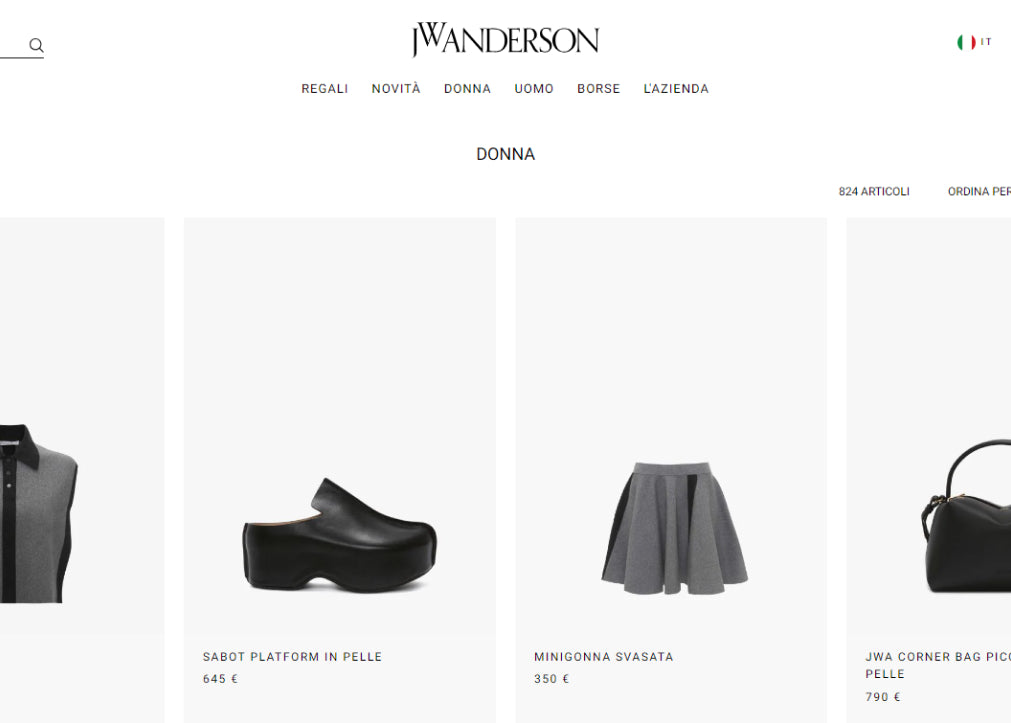
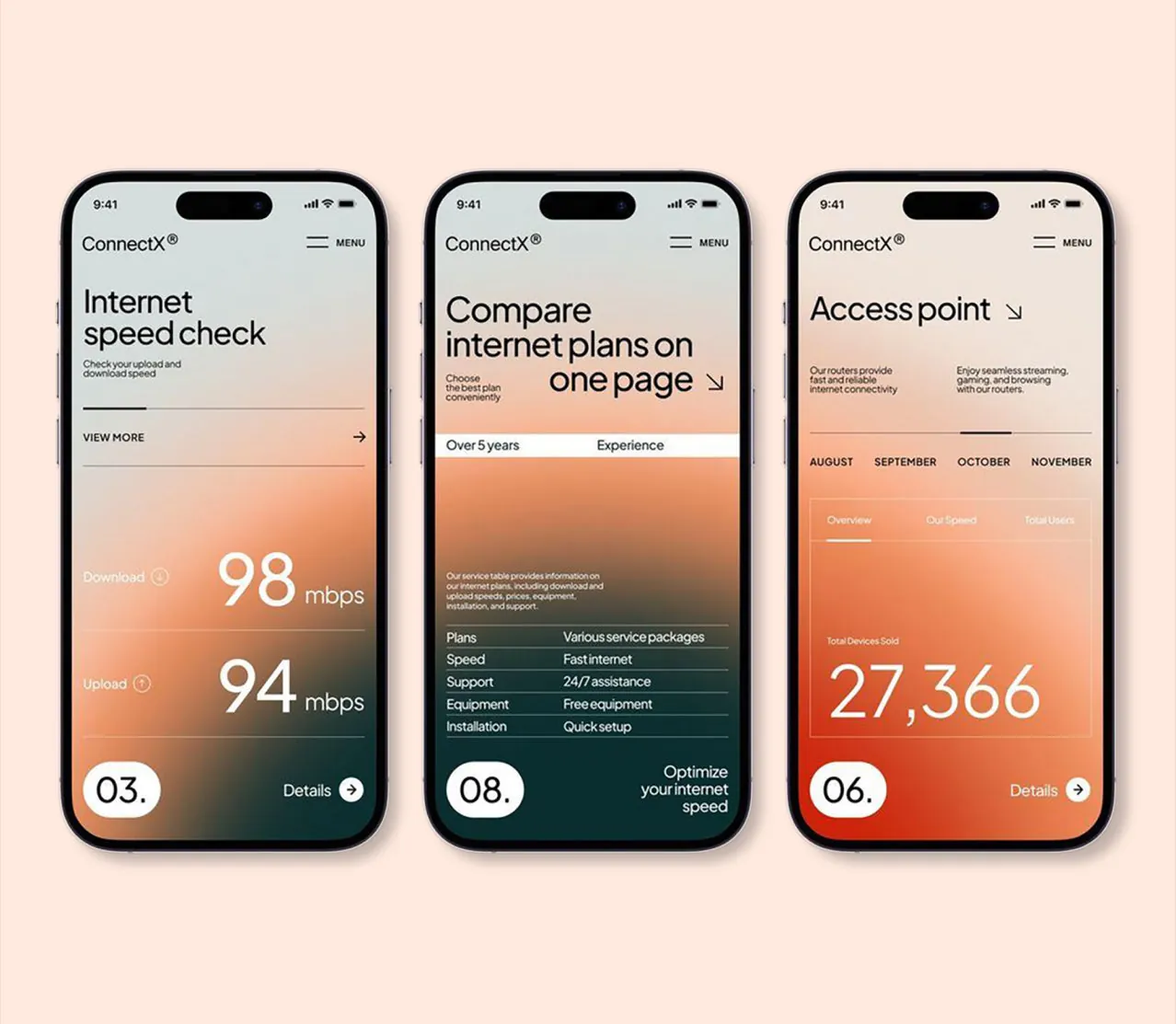
UX (User Experience) and UI (User Interface) are fundamental to the commercial success of a fashion eCommerce platform. When well designed, these two aspects can significantly increase revenue.
Firstly, an attractive, intuitive user interface (UI) draws customers in and invites them to explore the site. In an industry like fashion, where aesthetics are essential, an appealing design can make the difference between a
visitor who stays on the site and one who leaves it. The UI needs to be not only visually pleasing but also functional, making navigation easy and helping customers find products quickly.
On the other hand, a good user experience (UX) ensures that site visitors not only stay longer, but are also more likely to convert into buyers. Factors such as page loading speed, ease of navigation, clarity of product information, and a streamlined checkout process all have a positive impact on UX.
The placement of elements on the site has a direct impact on sales.
For example, positioning key elements like promotions, new arrivals, or best-sellers in strategic spots can boost visibility and interest.
Action buttons (such as “Add to cart” or “Buy now”) also need to be prominent and easy to find. Agencies specialising in UX/UI have the experience and expertise to understand how different design elements influence user behaviour. Using techniques such as A/B testing, they can experiment with different layouts to determine which configurations generate the highest revenue.
6. Quality Product Photography
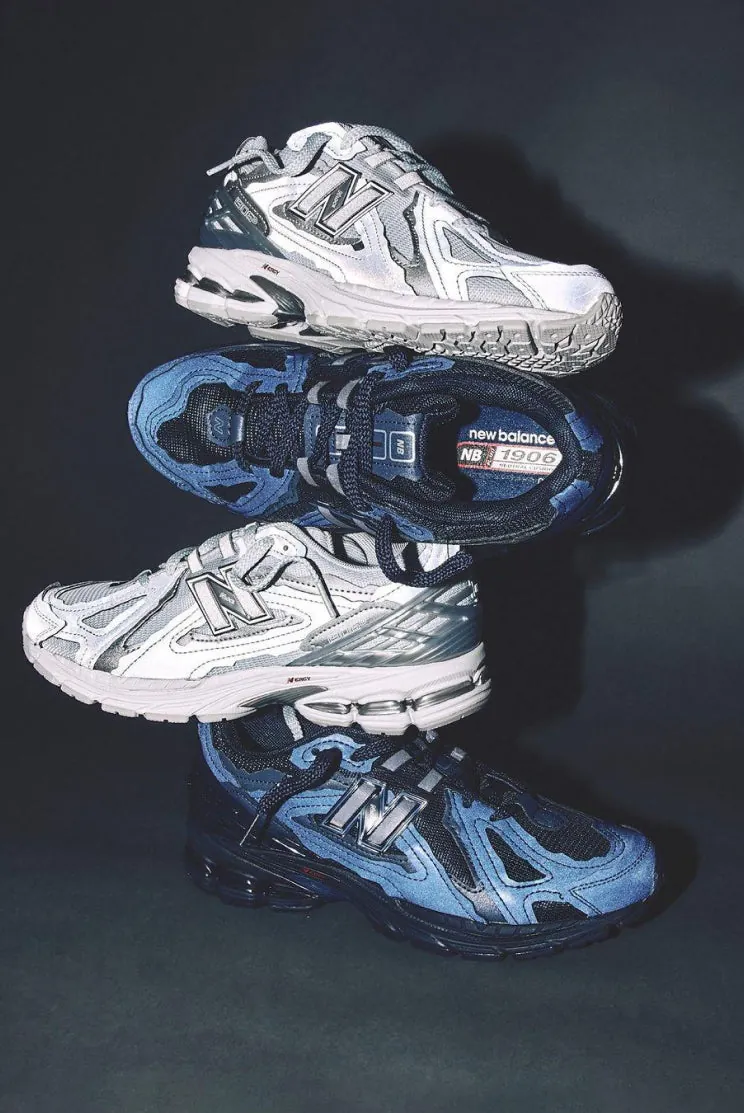
Product photography is a crucial factor in eCommerce success, especially in sectors like fashion where visual appeal plays a leading role in consumers' purchasing decisions. High-quality images not only capture attention but also help build customer trust in the product and the brand.
Clear, detailed and realistic images give customers an accurate perception of the product, reducing uncertainty and encouraging the decision to buy.
Photos showing the product from different angles and in various contexts (such as everyday use) can increase customer appreciation and interest.
7. Trustpilot and Feedaty Reviews
Customer reviews, like those on platforms such as Trustpilot, play a key role in eCommerce, significantly influencing consumers' purchasing behaviour. For our client Pier Abbigliamento, introducing product reviews had a decisive impact, leading to a 9% increase in sales.
This increase can be attributed to the fact that reviews provide a form of social proof, boosting potential buyers' confidence in the products on offer. When customers read about other people's positive experiences, they feel more confident in their purchasing decision, reducing uncertainty and hesitation.
Reviews also help customers get detailed, honest information about products that isn't always clear from standard descriptions. This information can include quality, fit, comfort and other practical aspects that a customer weighs up before making a purchase.
In addition, a review system can improve the SEO of Pier Abbigliamento's website. Comments and ratings add fresh, relevant content to the product page, which search engines view favourably, increasing the brand's online visibility.
8. Marketing Automation for Fashion
Marketing automation is essential in fashion for managing complex campaigns, personalising communications and analysing customer data efficiently. This enables accurate customer segmentation and personalised targeting, efficient campaign management, and in-depth data analysis for valuable insights into customer behaviour.
Successful Case Studies
Farfetch
Farfetch implemented advanced digital marketing strategies to boost its success in the competitive retail sector. They used paid advertising and search engine optimisation to attract customers with strong purchase intent. They also adopted an organic social media marketing approach, using platforms such as Instagram and Pinterest to build brand awareness. These strategies drove significant growth for Farfetch, helping it reach a billion-dollar valuation.
Ted Baker
Ted Baker recorded a 20.4% increase in sales on its eCommerce site. They used original marketing ideas, such as “talking” mannequins in their Westfield store, which sent push notifications and detailed messages about the items on display, giving shoppers the chance to buy directly from Ted Baker's website.
Zara
Zara saw a 41% increase in eCommerce revenue in 2017. Their eCommerce strategy makes customers feel as if they have a personal shopper by their side. They use a marketing automation platform to send relevant, timely email notifications about everything from order status updates to back-in-stock alerts.

9. Product Feed Optimisation
Product feed optimisation has become a crucial factor in the success of online advertising campaigns, particularly on platforms such as Meta (formerly Facebook) and Google Ads. In an increasingly competitive digital environment, the quality and structure of your product feed largely determine how effective an advertising campaign will be.
A well-optimised product feed ensures that product information is presented clearly, completely and attractively to these advertising platforms' algorithms.
This includes details such as compelling titles, detailed descriptions, prices, stock availability, high-quality images and direct product links. This information helps the algorithms better understand the products and target ads more effectively at potential customers.
Feed structure plays a vital role in ad targeting and personalisation.
For example, sophisticated algorithms use this information to show the right products to the right people at the right time, based on factors such as browsing behaviour, preferences and user demographics.
An optimised feed also improves overall ad quality, increasing the likelihood of user engagement. Ads with relevant, effectively presented information are more likely to convert, leading to a higher ROI (Return on Investment) for advertising campaigns.
What's more, feed optimisation can reduce cost per click and increase ad visibility. Advertising platform algorithms tend to favour better-performing ads, which often result from well-structured feeds.
10. AI Support Chatbot
The launch of Shopify's new support chatbot marks a significant step forward for eCommerce, giving online stores an advanced tool to improve the customer experience.
In a context where speed and efficiency in customer service matter more and more, using AI-based chatbots becomes a key way to stand out in the market.
Thanks to its AI technology, Shopify's chatbot can provide fast, accurate responses to customers in real time. This not only improves customer service efficiency by cutting response wait times, but also helps create a smoother, more satisfying user experience. The chatbot's ability to handle multiple support requests simultaneously ensures a more scalable service, particularly useful during traffic spikes
What's more, Shopify's AI chatbot can personalise interactions based on customer behaviour and preferences, offering product suggestions, checkout assistance and after-sales support.
This level of personalisation not only improves the shopping experience but also increases the likelihood of conversion and customer loyalty.
Using AI chatbots also represents a saving in costs and resources for merchants. By reducing the workload on customer service staff and automating responses to frequently asked questions, retailers can focus on more strategic aspects of their business.

Looking to the future of eCommerce, adopting advanced technology solutions like AI chatbots will be a distinguishing factor. By making this technology available to its users, Shopify positions itself as an innovative leader in the sector, giving online stores a powerful tool to improve efficiency and the customer experience.
In eCommerce, success isn't the result of a single factor, but rather a synergistic combination of different elements that, working together cohesively, create an effective checkout funnel and optimise the consumer experience. This synergy requires a balance between technology, creativity and marketing.
- Technology: The foundation of an effective eCommerce business is a solid technology platform. This includes a website that loads quickly, is optimised for mobile devices, and offers an intuitive, seamless user experience. Technology also covers aspects such as inventory management systems, payment processing, data security, and the integration of advanced tools like AI chatbots or augmented reality.
- Creativity: Creativity is essential for standing out in the market.
This includes site design, product photography, engaging content creation and the brand's visual identity.
A creative, appealing design captures customers' attention and creates an emotional connection, while original, persuasive product descriptions can increase interest and purchase intent. - Marketing: Marketing is what brings customers to your eCommerce site and convinces them to complete their purchase. Effective marketing strategies include search engine optimisation (SEO), pay-per-click (PPC) advertising, email marketing, and social media. A well-planned marketing strategy ensures the right products are shown to the right audience at the right time, boosting brand awareness and driving sales.
In Conclusion
The checkout funnel is the culmination of these synergies. It needs to be simple, fast and secure. An overly complicated or lengthy checkout process is one of the leading causes of cart abandonment. That's why it's essential for the checkout funnel to be optimised, guiding the customer along a clear, frictionless path to completing their purchase.